
.jpg)
Fremont is the East Bay's gateway to Silicon Valley and one of the most strategically located cities in the entire Bay Area — close enough to San Francisco to commute by BART, close enough to the South Bay to commute by freeway, and home to its own significant employment base anchored by Tesla's flagship manufacturing plant, Lam Research, Western Digital, and more than 1,200 technology and life sciences companies. California's fourth-largest Bay Area city by population, Fremont is also one of its most diverse — nearly half of all residents were born outside the United States, and the city's extraordinary cultural mix, centered on a large South Asian, Afghan American, and broader Asian American community, has produced one of the richest concentrations of international food, grocery, and cultural infrastructure in the East Bay.
Search Fremont CA homes for sale and compare the neighborhoods, schools, commute patterns, and price points that shape one of the Bay Area's most competitive housing markets. Fremont buyers frequently weigh Mission San Jose schools, Warm Springs transit access, Irvington value opportunities, and Silicon Valley commuting needs before deciding where to focus their search.
Bruce Wagg helps Fremont buyers understand attendance boundaries, neighborhood trade-offs, inspection considerations, and resale factors before making an offer in today's fast-moving market.
Fremont Homes For Sale
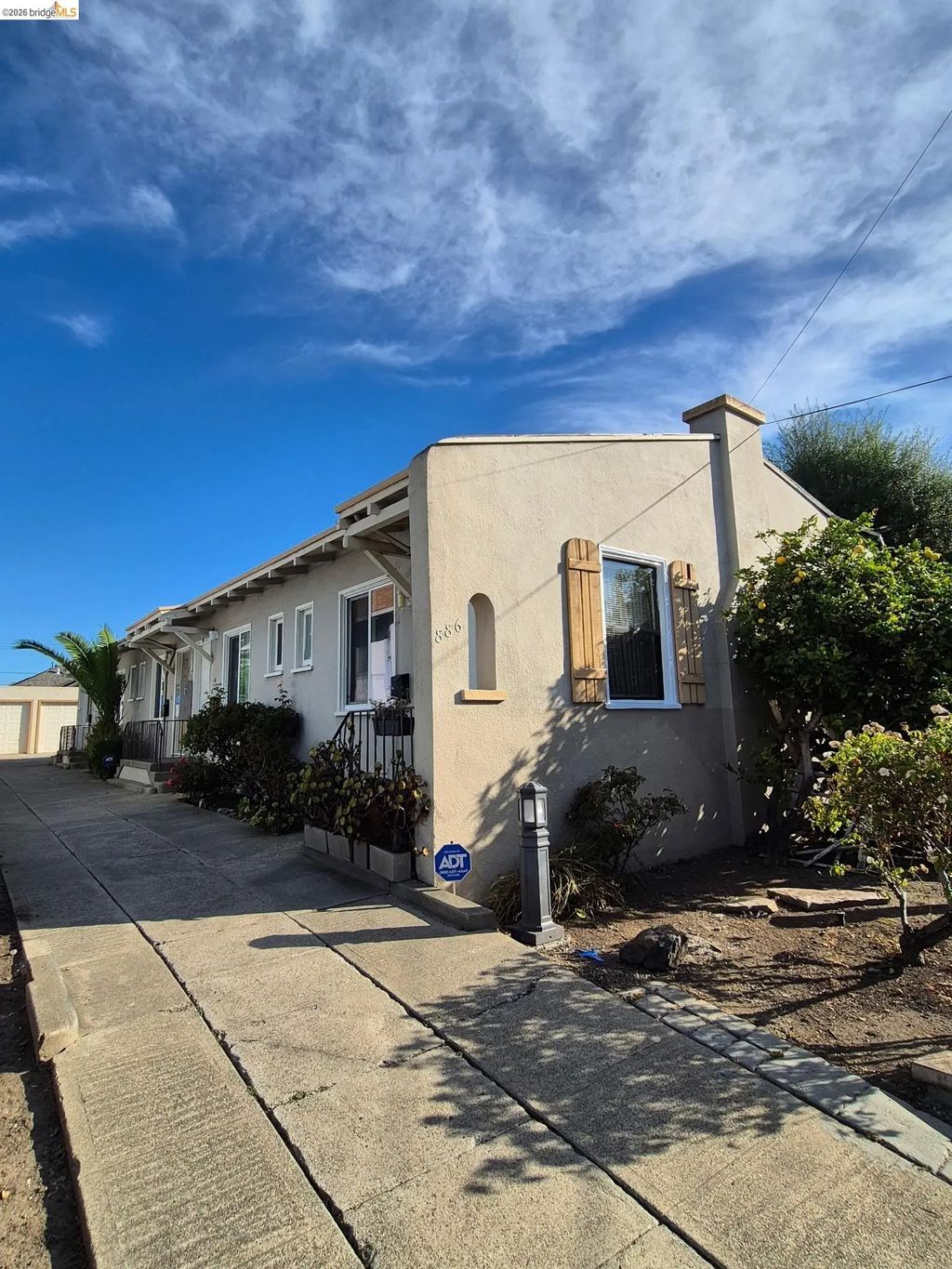


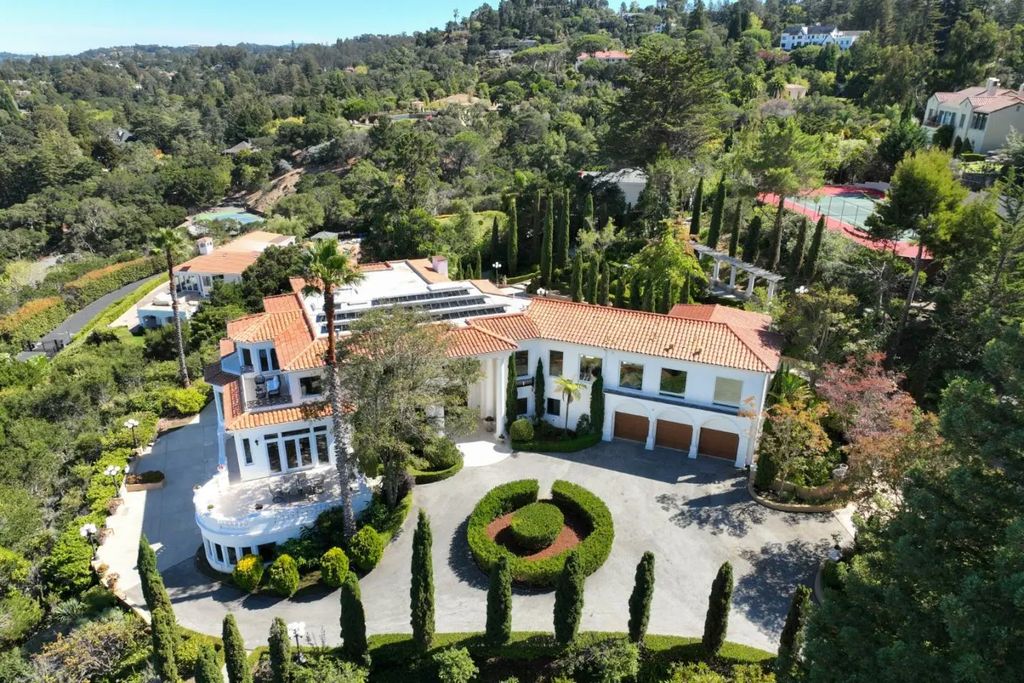
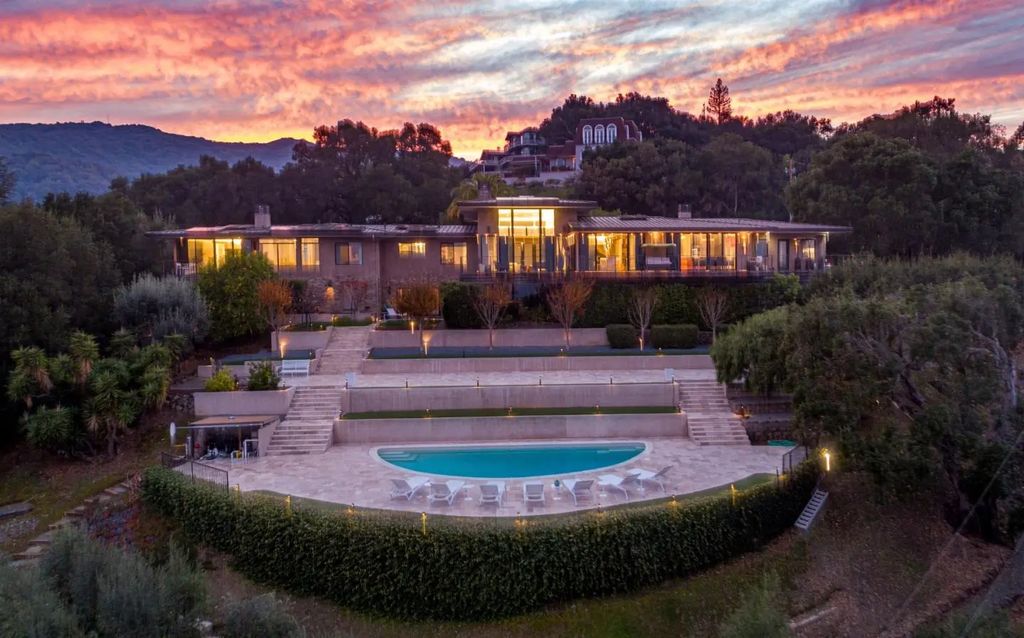
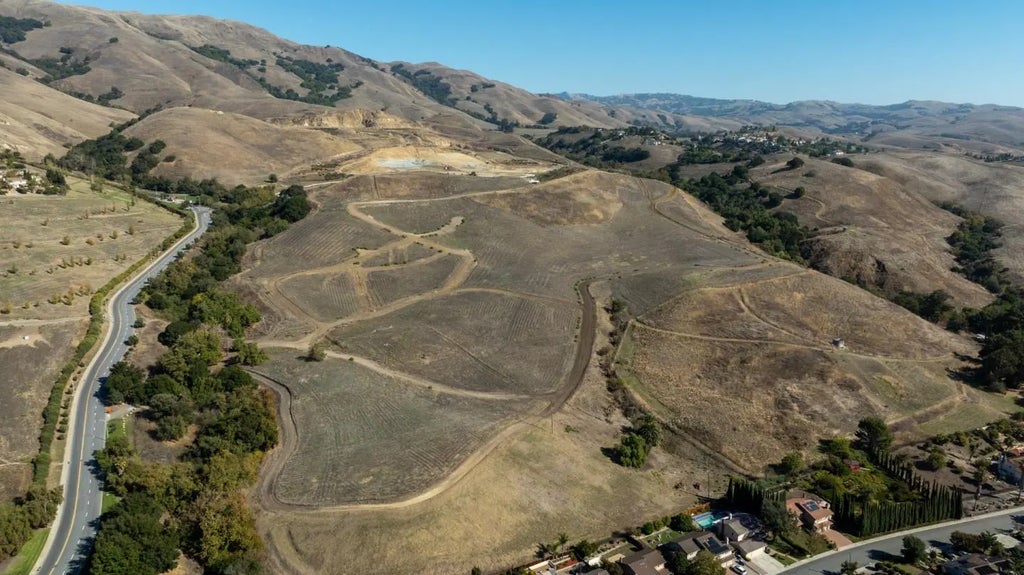
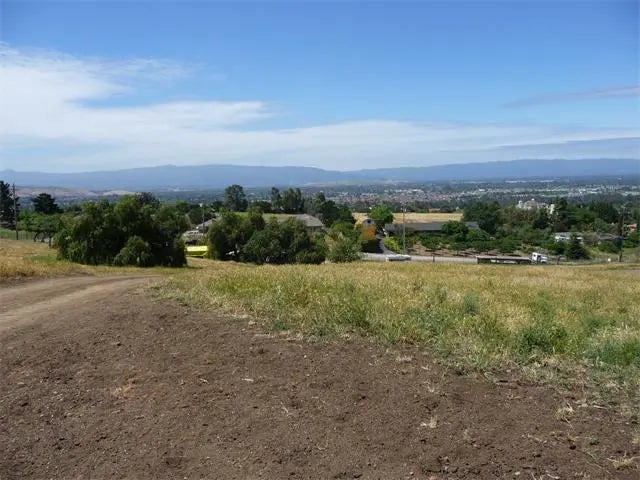
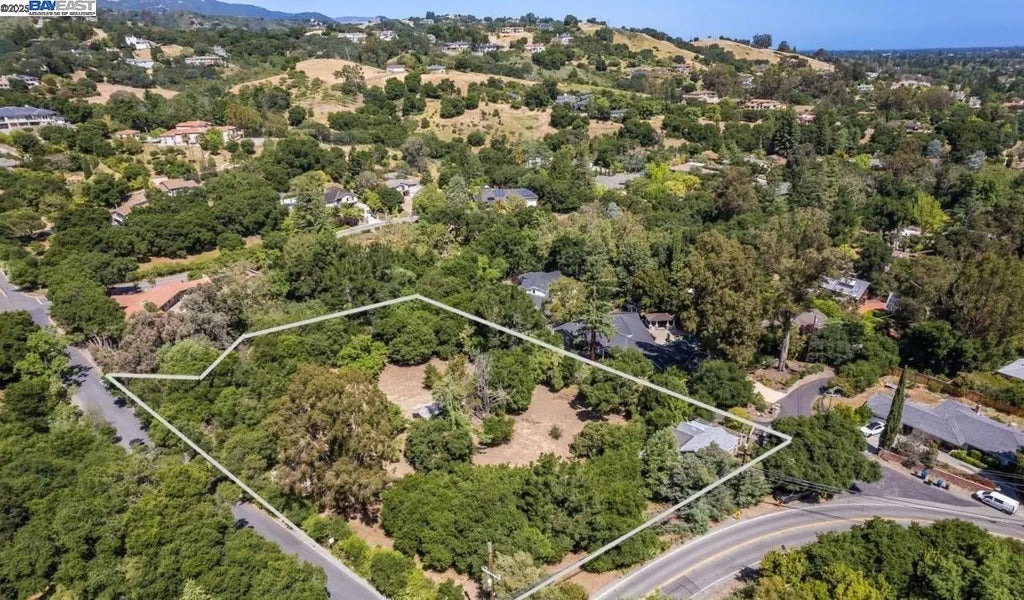
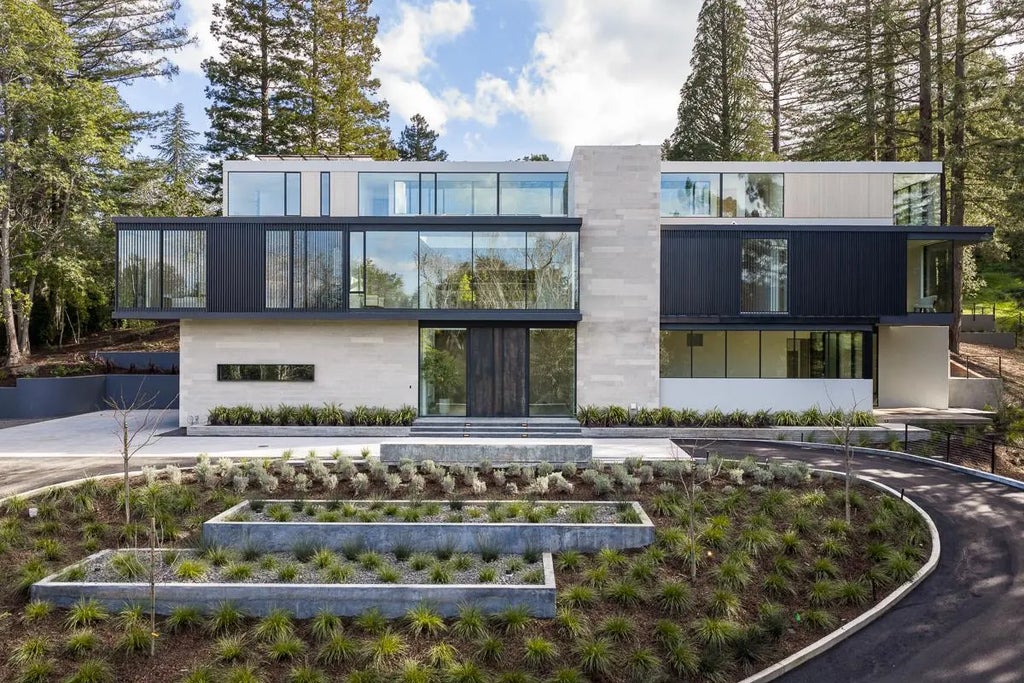



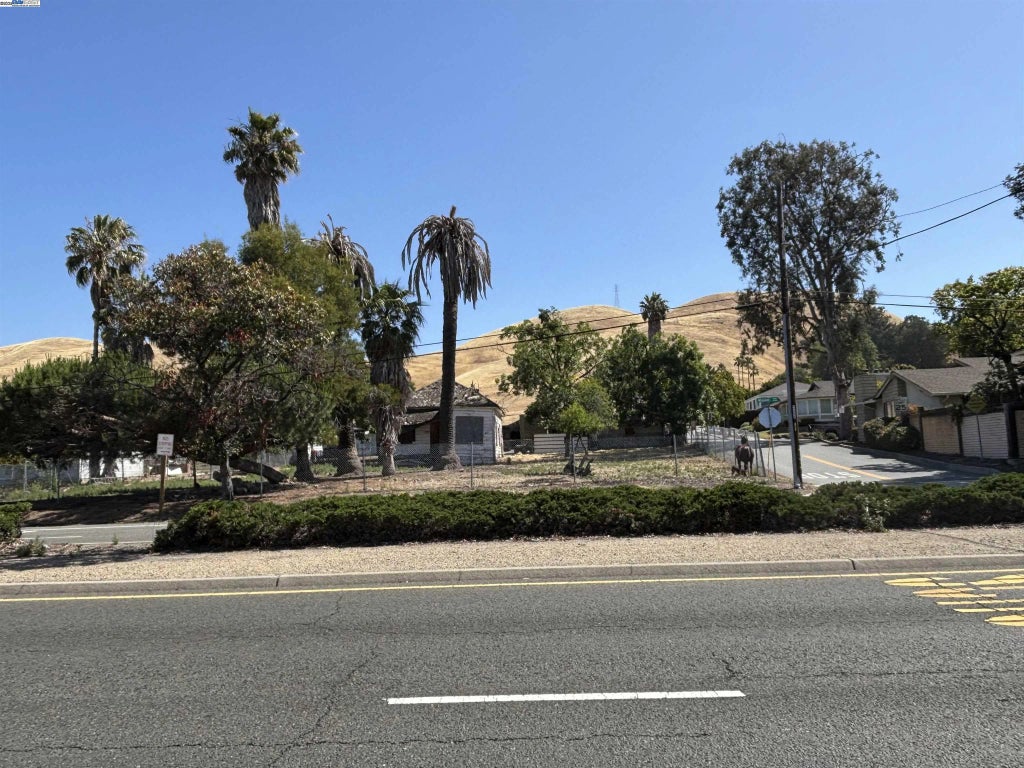
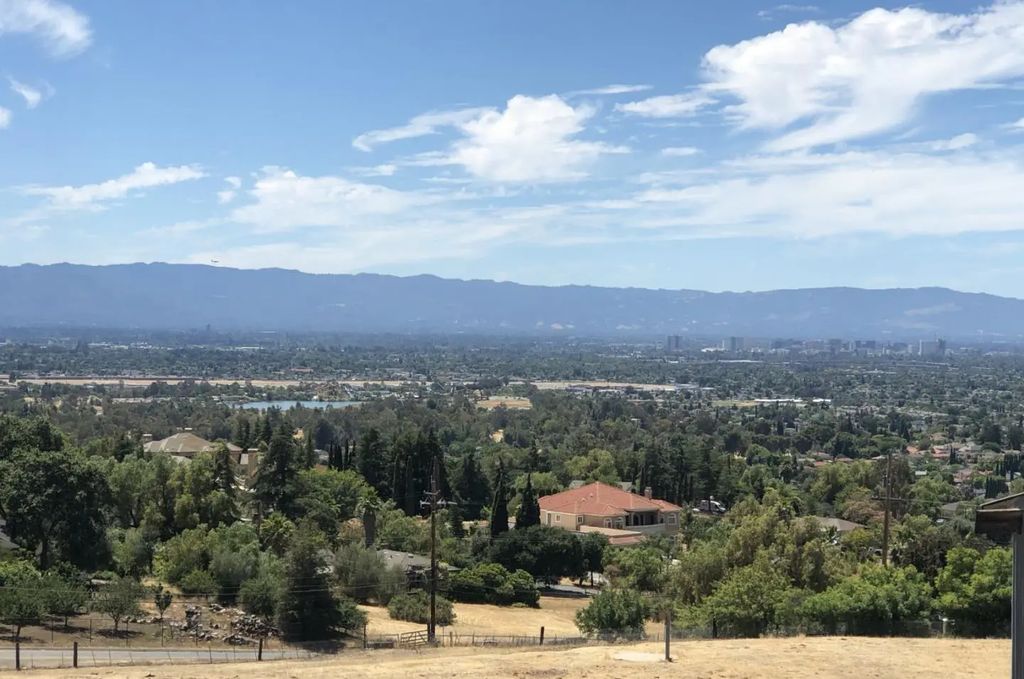
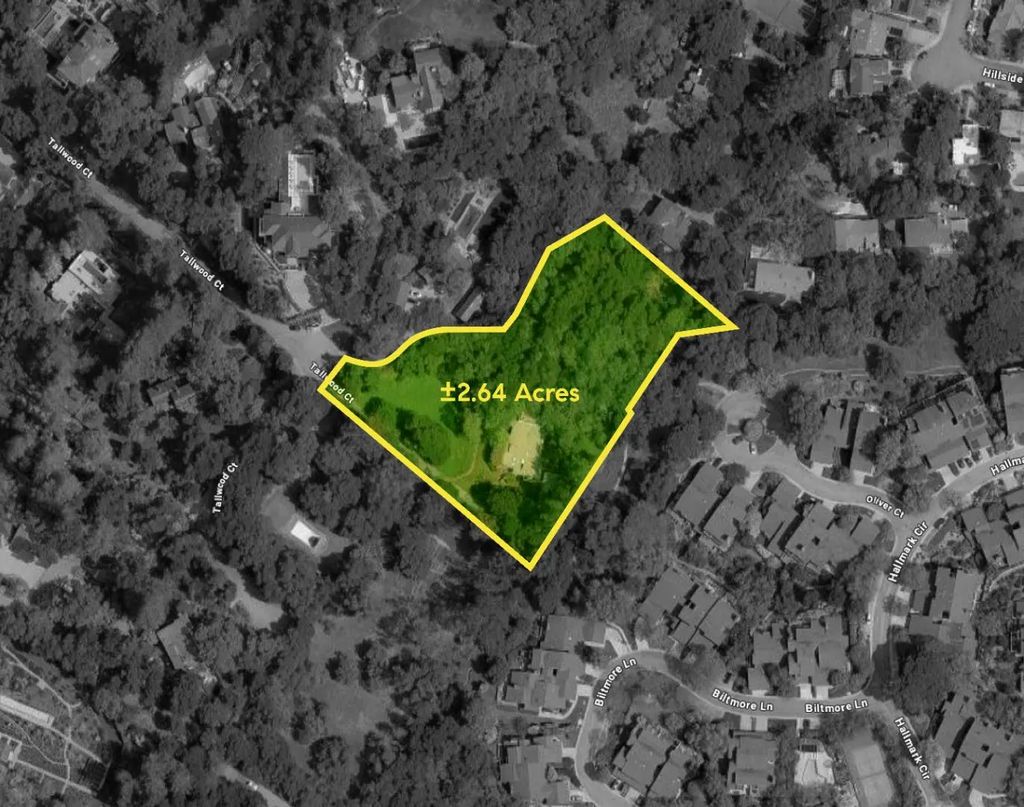

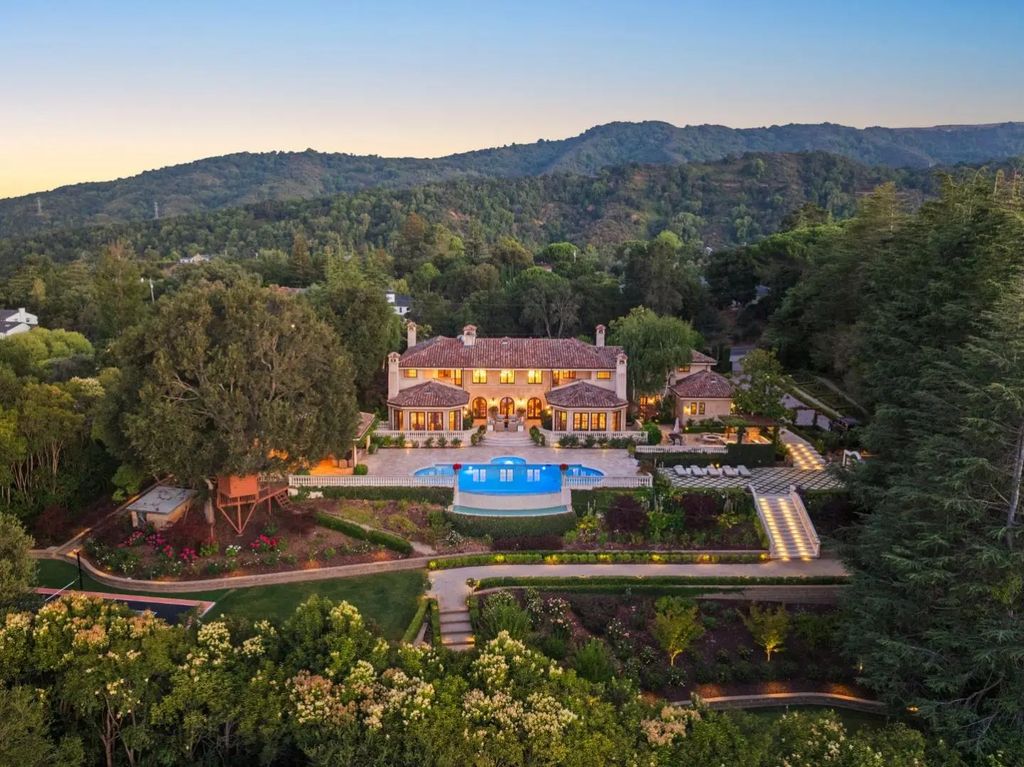
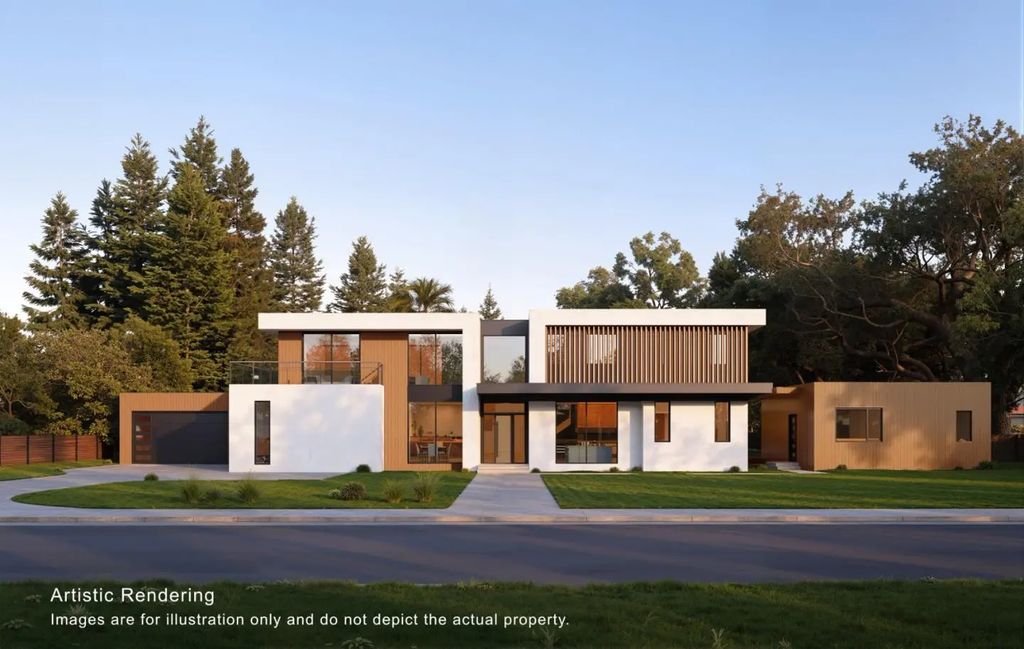


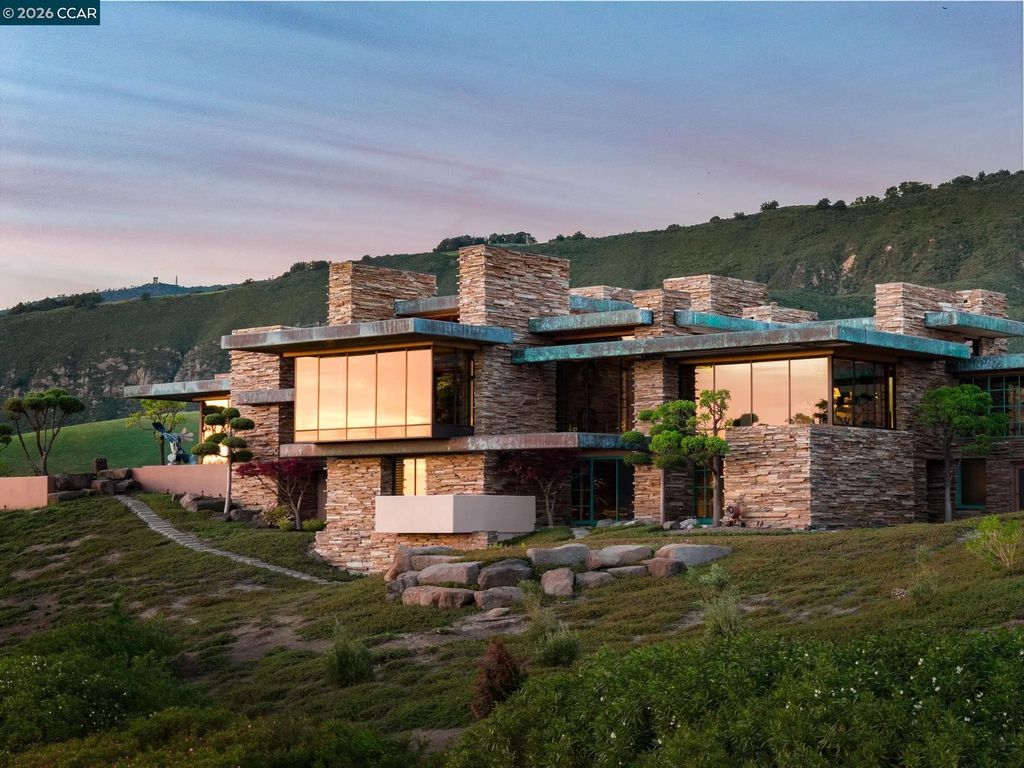
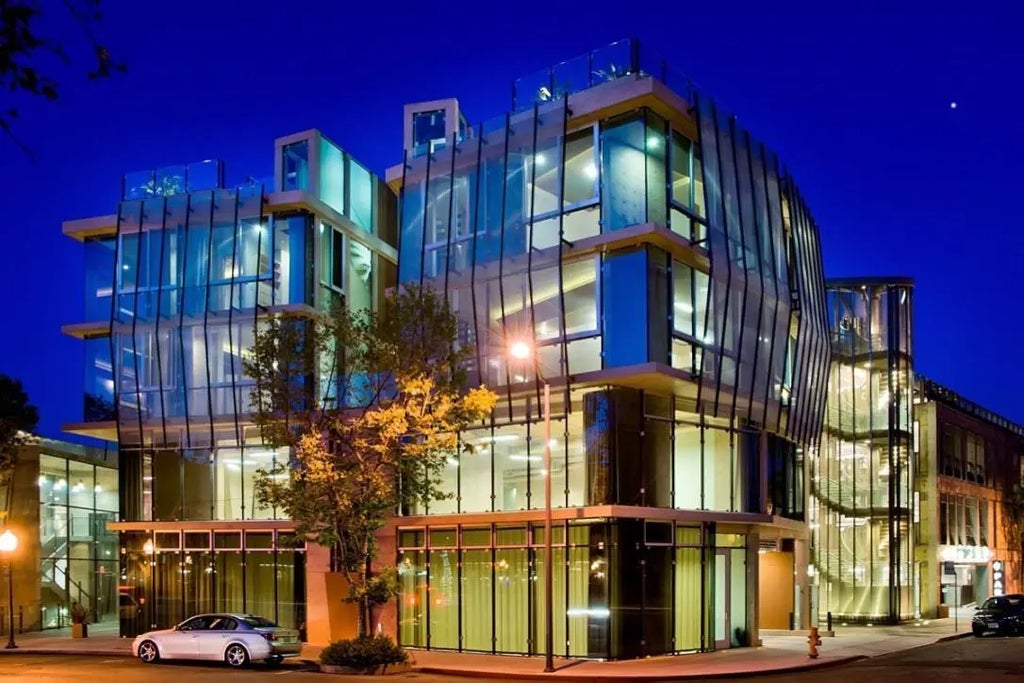
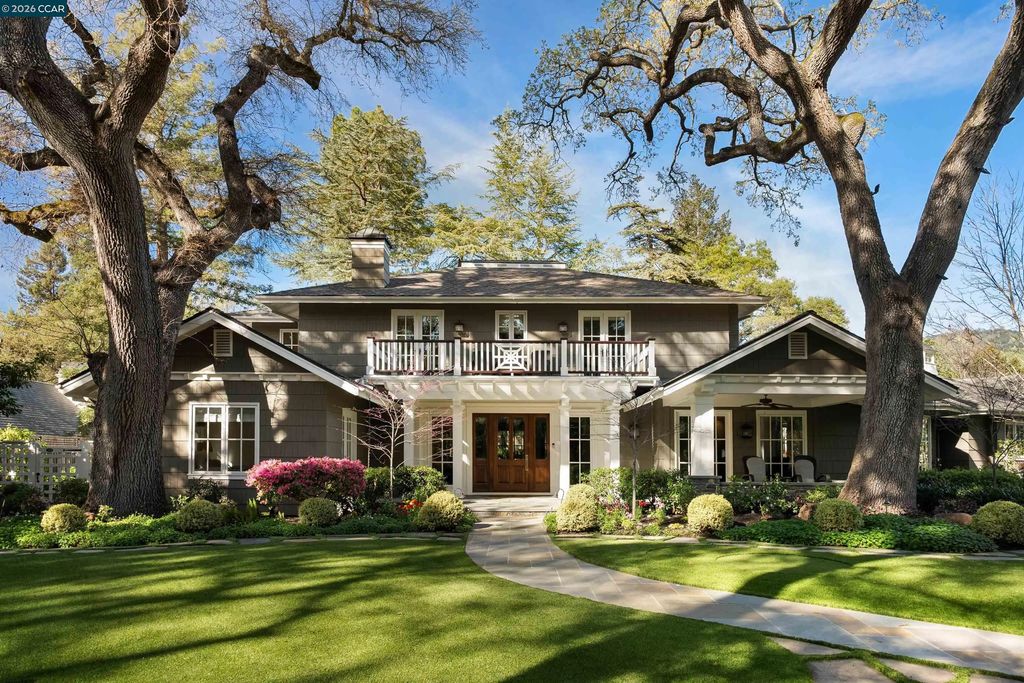
The citywide median home sale price is approximately $1.5–$1.6 million for single-family homes, with Mission San Jose — Fremont's most prestigious and school-driven neighborhood — reaching $2–$3 million, and more accessible entry points in Centerville and parts of North Fremont starting near $1.2 million. For families, the driving calculation is clear: your home's address determines your child's school, and in Fremont the gap between the city's best and most average school zones is reflected directly in home prices.
Browse Fremont Property Types
Fremont Real Estate Market Overview
Fremont's housing market is consistently one of the most competitive in the East Bay — and its competitive character is structurally different from markets like Berkeley or Oakland. Where Berkeley's competition is driven by architectural scarcity and UC Berkeley culture, Fremont's is driven primarily by the intersection of Silicon Valley employment access and school district quality. The city draws a high concentration of dual-income tech households with children, and that demographic combination — high incomes, strong school motivation, long time horizons — creates demand that is relatively inelastic to interest rate movements compared to other Bay Area markets.
The citywide median sale price for single-family homes is approximately $1.5–$1.6 million, with homes typically selling at or above asking price and going pending in roughly one to two weeks in desirable neighborhoods. On a per-square-foot basis, Fremont single-family homes trade around $950–$1,050 — meaningfully higher than the South Bay's more affordable edges but reflecting the school premium, employment access, and safety that the city consistently delivers.
The neighborhood spread within Fremont is wider than many buyers expect. Mission San Jose, at the city's southern edge near the historic Spanish mission, carries the highest premiums in the city — a median around $2 million, with premium homes at $2.5–$3 million. Warm Springs and Irvington, in central and south Fremont, typically range $1.3–$1.8 million depending on school zone and proximity to BART. Centerville and North Fremont offer the most accessible entry points, often $1.1–$1.3 million, with good schools but not the city's top-ranked high schools. Condos and townhomes citywide range from approximately $820,000 to $950,000, offering a meaningful entry point for buyers who want Fremont's employment access and school quality at a lower price point than detached single-family homes.
WalletHub named Fremont the happiest city in the United States in three consecutive years (2021, 2022, and 2023), and the best city in the country to raise a family for two consecutive years — rankings that reflect the city's combination of school quality, safety, employment, community diversity, and quality of life. These are not niche metrics; they reflect the lived experience that continues to draw families to Fremont from across the Bay Area, the country, and internationally.
Fremont Neighborhoods: A Buyer's Complete Guide
Fremont was incorporated in 1956 from five distinct communities — Mission San José, Centerville, Niles, Irvington, and Warm Springs — and each of those original communities has retained a distinct identity within the modern city. Understanding the neighborhoods is essential to understanding Fremont's price variation and the school zone implications of any specific address.
Mission San Jose — Fremont's Premier Address
Mission San Jose is Fremont's most prestigious residential neighborhood and the city's most school-driven real estate market, concentrated in the southeastern hills near the original Spanish mission founded in 1797. The neighborhood's defining feature is geography: the elementary, middle, and high schools serving the Mission attendance area are clustered within close proximity of each other and of the residential streets, creating a walkable school community unusual for a car-dependent American suburb. Mission San Jose High School — the academic heart of the neighborhood — is ranked 12th in California and 107th in the nation by U.S. News & World Report. The feeder pipeline is among the strongest in FUSD: Chadbourne Elementary and Gomes Elementary are both two-time National Blue Ribbon Schools, and Hopkins Middle School feeds directly into Mission San Jose High.
The residential character of Mission San Jose is primarily 1970s–1990s suburban — two-story conventionals, California ranches, and newer colonials on standard lots with hills views. The neighborhood's premium is almost entirely school-driven rather than architectural. The median sale price is approximately $2 million, with premium homes on larger lots with views reaching $2.5–$3 million. Mission San Jose is also home to a significant and active South Asian and Asian American community that has built one of the Bay Area's richest concentrations of Indian restaurants, grocers, temples, and cultural institutions along Mission Boulevard and the surrounding commercial corridors — a community infrastructure that is itself a draw for families relocating from India, the broader South Asian diaspora, and other communities who value that cultural density.
Warm Springs — Transit Hub, Strong Schools, Newer Construction
Warm Springs, in southern Fremont between I-680 and the Diablo Mountain Foothills, is one of the city's most dynamic neighborhoods — anchored by the Warm Springs/South Fremont BART station, Tesla's flagship manufacturing plant immediately adjacent, and a combination of newer residential construction, strong schools, and expansive views of Mission Peak that give the neighborhood an unusual visual scale. The Warm Springs BART station is the end of the line before BART extends south into Santa Clara County, making it both a significant transit asset and a transit-oriented development anchor: thousands of residential units have been built in its vicinity, and the neighborhood continues to evolve.
Homes in Warm Springs range approximately $1.3–$1.8 million for single-family, with condos and newer townhomes starting around $650,000 and reaching $1.75 million for single-family at the upper end. The neighborhood is served by Irvington High School (ranked 51st in California), which is also a district-wide Visual and Performing Arts Magnet drawing students from across FUSD. Harvey Green Elementary, Horner Middle School, and other Irvington attendance area schools all earn strong Niche ratings. Warm Springs is particularly popular with Tesla and other tech employees who value the BART access, newer construction, and Mission Peak recreation — the 6.9-mile round-trip hike to Mission Peak's 2,517-foot summit is accessible directly from the neighborhood.
Irvington — Established Neighborhood, Arts Magnet School
Irvington is one of Fremont's original five communities, now a well-established residential neighborhood in central Fremont with a strong South Asian American presence, good school access, and more affordable prices than Mission San Jose or Warm Springs. The neighborhood is anchored by Irvington BART area (though Warm Springs BART serves most of the area more directly) and by Mission Boulevard, which provides the commercial corridor. The housing stock is predominantly 1960s–1980s single-family homes on standard suburban lots, ranging approximately $1.2–$1.6 million. Irvington High School (ranked 51st in California) is both the neighborhood high school and the district's performing and visual arts magnet — students interested in creative arts from across FUSD compete for magnet spots.
Ardenwood — Northern Fremont, American High School Zone
Ardenwood occupies northern Fremont near the Ardenwood Historic Farm — a 208-acre working Victorian farm and regional park that gives the neighborhood an unusual open-space character unusual for urban Fremont. The housing stock is primarily 1980s–1990s construction, with well-maintained conventional suburban homes and active HOAs. Homes range approximately $1.4–$1.7 million. Ardenwood is served by American High School, ranked 60th in California — the third-highest in FUSD and a strong school in its own right, with active AP programs and college placement. The neighborhood is also popular with employees of nearby Emeryville, Oakland, and Berkeley employers who want Fremont's lower prices and larger homes while commuting north rather than south.
Centerville — Central Fremont, Most Accessible Entry
Centerville, anchored by the historic Centerville district and stretching through central Fremont, is the city's most accessible residential area — median prices often in the $1.2–$1.3 million range, with more varied housing stock ranging from 1950s post-war bungalows to 1970s conventionals. The neighborhood is served by Washington High School (281st in California) and American High School (60th) depending on address, making school zone verification particularly important here. Centerville is one of Fremont's most ethnically diverse neighborhoods, with Vietnamese American, Latino, and African American communities well-established alongside the city's newer arrivals. The Centerville area includes the ACE train station (Fremont-Centerville), providing commuter rail service to San Jose and the Central Valley.
Niles — Historic Village, Architectural Character
Niles is Fremont's most architecturally distinctive neighborhood — a preserved historic village district in northeastern Fremont with Victorian-era storefronts, early 20th-century homes, and a creative community character that is genuinely different from the rest of the city. Niles was the first Hollywood — Charlie Chaplin filmed several of his early movies here, and the Niles Essanay Silent Film Museum commemorates that history. The residential streets around the commercial district include Craftsman bungalows, Victorian Italianates, and Period Revival homes from the 1890s–1930s, interspersed with more modest ranch homes from later decades. Prices vary widely — some homes are in the $900Ks–$1.1 million range, others reach $1.4–$1.5 million for well-restored examples. Niles Canyon Road and access to Sunol Regional Wilderness give the neighborhood unusual natural recreation proximity for urban Fremont.
Fremont Schools: The District Structure That Drives Prices
Fremont Unified School District (FUSD) serves the entire city of Fremont and uses address-based attendance areas — your home's location determines which schools your child attends, with no lottery or choice application required. This is fundamentally different from Berkeley's zone-based lottery or Oakland's citywide school-of-choice system: in Fremont, the school you get is determined entirely by where you live, and that makes neighborhood selection the most consequential school decision a buyer makes.
FUSD has five comprehensive high schools, and their rankings diverge dramatically:
Mission San Jose High School — ranked 12th in California, 107th in the nation. Serves the Mission attendance area (southeastern Fremont). The district's academic flagship, with rigorous AP program, strong college placement, and an academically motivated student body heavily concentrated in STEM fields.
Irvington High School — ranked 51st in California. Serves central-southern Fremont including Warm Springs and Irvington. Also the district's Visual and Performing Arts Magnet, drawing students from across FUSD who compete for magnet admission.
American High School — ranked 60th in California. Serves northern Fremont including Ardenwood and North Fremont. Strong school with active AP programs and consistent college readiness metrics.
Washington High School — ranked 281st in California. Serves central Fremont. A reasonable comprehensive high school by California standards but with a meaningful academic gap below the city's top three.
John F. Kennedy High School — ranked 491st in California. Serves parts of central Fremont.
The practical implication: buying a home in the Mission, Irvington, or American attendance areas puts your child in schools ranked among California's top 60. Buying in the Washington or Kennedy areas does not. The price premium for Mission San Jose ($2M median vs. $1.2–$1.3M in Centerville) is almost entirely explained by this school differential. For families who have identified school quality as a primary purchase driver, Fremont rewards buyers who understand the attendance area map before choosing a neighborhood.
At the elementary level, the Mission attendance area is served by Chadbourne Elementary and Gomes Elementary — both National Blue Ribbon Schools — along with Mission San Jose Elementary and Mission Valley Elementary. The Irvington attendance area includes Harvey Green Elementary, Grimmer Elementary (a California Distinguished School), and Weibel Elementary. All of these consistently rate above California averages on academic performance metrics.
Getting Around Fremont: BART, Freeways, and the South Bay Connection
Fremont's transit and freeway infrastructure is one of its defining strengths — it is the only city in the East Bay with direct freeway and rail access to both San Francisco and Silicon Valley, a geographic position that no other East Bay city matches.
BART: Fremont has two stations. Fremont BART (central Fremont, near the downtown area) provides access on the Orange Line to Oakland, Berkeley, and San Francisco. From Fremont BART, the Embarcadero in downtown San Francisco is approximately 55–65 minutes. Warm Springs/South Fremont BART serves southern Fremont and is the southern terminus before the extension continues into Santa Clara County toward Milpitas and Berryessa/North San José, giving Warm Springs BART riders direct access to the South Bay BART network. Tesla's factory is adjacent to Warm Springs BART.
Freeways: Interstate 880 (Nimitz Freeway) runs the length of Fremont's western edge, connecting north to Oakland and south to San Jose and the Silicon Valley core — approximately 20–30 minutes to San Jose off-peak, 30–45 during commute hours. Interstate 680 runs through eastern Fremont, connecting south to San Jose (15–25 minutes) and north to Walnut Creek and Concord (30–40 minutes). Mission Boulevard connects Mission San Jose directly to I-680, making that neighborhood's freeway commute one of the fastest in the city to the South Bay. The intersection of I-880 and I-680 is in Warm Springs, giving that neighborhood access to both primary freeway corridors.
ACE Train and Amtrak: The Fremont-Centerville station provides ACE commuter rail service to San Jose (key for Centerville and North Fremont residents) and Amtrak Capitol Corridor service connecting to Sacramento. A planned Dumbarton Rail Corridor would add Caltrain service to Fremont-Centerville, connecting directly to the Peninsula — if constructed, this would significantly improve Peninsula commute options for Fremont residents.
A candid note: Fremont remains largely car-dependent for daily life. BART is excellent for commuting to Oakland and SF, but most errands, school runs, and local activities require a vehicle. Buyers coming from walkable urban environments like Berkeley or San Francisco should plan accordingly.
Fremont's Cultural Identity: Why Diversity Is a Market Asset
Fremont is one of the most internationally diverse cities in the United States — and that diversity is not incidental to its real estate market, it is central to it. With 49% of residents born outside the country and over 62% speaking a language other than English at home, Fremont has developed a cultural infrastructure that is a genuine quality-of-life advantage for buyers who value it.
The city has one of the largest Afghan American communities in the United States, concentrated particularly in the Irvington and Centerville areas, and has built mosques, cultural centers, restaurants, and grocery infrastructure that serves that community comprehensively. Mission San Jose and Irvington have one of the Bay Area's richest concentrations of Indian and South Asian restaurants, grocers (India Cash & Carry is a regional institution), temples (BAPS Swaminarayan Mandir is the largest Hindu temple in the Western United States, located adjacent to Fremont), and cultural organizations. Chinese, Vietnamese, Korean, and Filipino communities are well-established throughout the city with corresponding cultural infrastructure.
For buyers relocating from India, South Asia, East Asia, or the Middle East — a significant share of Fremont's buyer pool — this cultural density is not merely a lifestyle amenity. It is a primary relocation driver, alongside school quality and employment access, that concentrates highly motivated, high-income households in Fremont's best school zones and sustains the price premiums those zones command.
Fremont's Employment Base: More Than a Bedroom Community
Fremont is not simply a bedroom community for Silicon Valley — it has a substantial employment base within its own city limits. The most visible anchor is Tesla's flagship manufacturing plant in South Fremont, which employs approximately 25,000 people and is one of the largest single-site employers in California. For Tesla employees, living in Fremont or the immediate surrounding area eliminates the long commutes that characterize most Bay Area tech employment.
Beyond Tesla, Fremont hosts approximately 1,200 high-tech, life sciences, and clean technology companies — Lam Research, Western Digital, Thermo Fisher Scientific, Seagate, and Meta (a major Fremont data center) are among the largest. The city has over 40 million square feet of office, R&D, manufacturing, and warehouse space across three business districts. Fremont residents also have strong access to Silicon Valley's broader employment cluster — Apple (Cupertino), Google (Mountain View), and NVIDIA (Santa Clara) are 25–40 minutes south by freeway or accessible via BART's ongoing South Bay extension. For professionals who want to minimize commuting while maintaining access to one of the world's most dynamic employment markets, Fremont's position is genuinely strategic.
Fremont vs. Nearby Markets: How to Think About the Choice
Fremont vs. Newark and Union City: Both neighbors offer lower median prices — typically $1.0–$1.3 million — but with school districts that perform well below FUSD's top high schools. For buyers who prioritize lower entry price and can work with public schools that are adequate rather than exceptional, Newark and Union City provide genuine value. For families who have identified Mission San Jose or Irvington school zones as their priority, the premium over Newark and Union City is rational.
Fremont vs. Milpitas: Milpitas, directly south in Santa Clara County, has strong BART access (Milpitas BART opened in 2020) and good Silicon Valley freeway access. Prices are broadly comparable to central Fremont. Milpitas Unified's schools are solid but generally below FUSD's top high schools. For buyers who want the BART access and Silicon Valley proximity without the Fremont premium, Milpitas is the most direct comparison.
Fremont vs. East Oakland: For buyers who work in San Francisco or Oakland and are drawn to the East Bay's lower prices, Fremont offers more space and newer housing at comparable or higher prices relative to Oakland's most established neighborhoods — but with the advantage of newer construction, more parking, and stronger public schools in the Mission and Irvington zones. The trade-off is walkability and cultural urbanity: Oakland's Temescal and Rockridge have a neighborhood character and food scene that Fremont's more suburban layout does not replicate.
Fremont vs. Pleasanton and Livermore: The Tri-Valley (Pleasanton, Livermore, Dublin) offers comparable prices with excellent school districts and more land per dollar. The trade-off is commute: Pleasanton and Livermore are over the Altamont Pass from the South Bay, adding 20–30 minutes to Silicon Valley commutes relative to Fremont. For buyers who commute to San Jose or South Bay employers, Fremont's geographic advantage is material.
Also browsing nearby? Compare Newark homes, Hayward homes, Berkeley homes, Oakland homes, and San Jose homes.
Working with Bruce Wagg to Buy in Fremont
I have direct transaction and market experience in Fremont across multiple neighborhoods, including Mission San Jose, Warm Springs, and Irvington. Buying successfully in Fremont means understanding the attendance area map in detail before choosing a neighborhood — the difference between a Mission zone address and a Washington zone address at the same price point is a school ranking gap that runs from 12th to 281st in California. I can walk you through the attendance boundaries, help you evaluate the price premium for each zone, and position your offer competitively in a market where well-priced homes move in days rather than weeks.
Also explore: Fremont condos & townhomes | Fremont luxury homes | Fremont income properties
If you are relocating to Fremont — whether from out of state, from another Bay Area city, or from internationally — I would welcome the conversation. Understanding what you are buying in each neighborhood before you commit is the most valuable thing I can do for you.
Call or text: (669) 202-7777

Fremont Real Estate Statistics
| Average Price | $1.5M |
|---|---|
| Lowest Price | $900 |
| Highest Price | $995M |
| Total Listings | 12,838 |
| Avg. Price/SQFT | $2K |
Property Types (active listings)
Frequently Asked Questions: Buying a Home in Fremont CA
What are home prices like in Fremont CA?
Citywide median for single-family homes is approximately $1.5–$1.6 million. Mission San Jose median is approximately $2 million, with premium homes reaching $2.5–$3 million. Warm Springs and Irvington typically range $1.3–$1.8 million. Centerville offers entry points around $1.2–$1.3 million. Condos and townhomes range approximately $820,000–$950,000 citywide.
Which Fremont neighborhoods have the best schools?
Mission San Jose (Mission San Jose High, ranked 12th in California), Warm Springs and Irvington (Irvington High, ranked 51st), and Ardenwood/North Fremont (American High, ranked 60th). The Mission attendance area also includes two National Blue Ribbon elementary schools — Chadbourne and Gomes. School zone is the single biggest driver of Fremont home prices.
How long is the commute from Fremont to San Francisco?
By BART from Fremont Station: approximately 55–65 minutes to the Embarcadero. By car via Bay Bridge off-peak: approximately 45–55 minutes. BART is the preferred commute option for daily SF commuters. For South Bay employers (San Jose, Santa Clara, Sunnyvale), freeway commutes via I-880 or I-680 are typically 20–35 minutes off-peak.
Is Fremont good for South Asian and international families?
Yes — Fremont has one of the Bay Area's richest concentrations of South Asian, Afghan American, Chinese American, and Vietnamese American cultural infrastructure, particularly in Mission San Jose, Irvington, and Centerville. Indian grocers, temples (including the BAPS Swaminarayan Mandir, the largest Hindu temple in the Western US), restaurants, and cultural centers are abundant. The city is 49% foreign-born and over 62% non-English-speaking at home. This cultural density is a primary relocation driver for many of Fremont's buyers.
Does Fremont use a school lottery?
No — FUSD uses address-based attendance areas. Your home's location determines which schools your child attends, with no lottery or choice application. This makes neighborhood selection the most consequential decision in a Fremont home search. Verify the specific attendance area for any address before making an offer.
What is Fremont's relationship to Tesla?
Tesla's flagship manufacturing plant — one of the largest automotive factories in the world — is located in South Fremont adjacent to the Warm Springs/South Fremont BART station. The plant employs approximately 25,000 people and is the city's largest employer. Many Tesla employees live in Warm Springs, Mission San Jose, and Irvington to minimize their commute. The factory's presence anchors Fremont's industrial employment base and contributes to the city's strong dual-income household demographics.
Trying to decide which Fremont neighborhood fits your budget and school priorities? Call or text Bruce Wagg at (669) 202-7777 before you begin touring homes.

Start searching for your dream home now.
When it comes to convenience, our site is unparalleled. Whether you're in the comfort of your home, or on the go.
Our site works flawlessly on multiple devices so you can find the information you need.