
Fremont Residential Income Properties for Sale
Fremont is the fourth largest city in the Bay Area — the result of incorporating five smaller communities into one in 1956: Centerville, Mission San Jose, Irvington, Warm Springs, and Niles. That merger created a city with genuine variety in its neighborhoods and housing stock, from the small-town historic charm of Niles and Centerville to the hillside custom homes of Mission San Jose, and the foundation for what has become one of the Bay Area's most economically diverse and employment-rich cities. For income property investors, that employment diversity — Tesla, Meta, the Warm Springs Innovation District, Ardenwood Technology Park, and three BART stations — creates the kind of multi-directional rental demand that insulates returns across economic cycles better than single-employer markets.
Fremont Investment Property For Sale


What Drives Fremont's Rental Market
Tesla's Fremont manufacturing plant is the city's largest employer and one of the most significant rental demand drivers in the South Bay — a workforce of thousands requiring housing across a range of income levels, with schedules and shift patterns that make transit-independent housing in Fremont itself particularly valuable. Meta's Ardenwood campus, in the northwestern part of the city, drives demand for the Ardenwood and Centerville-area rental market. The Warm Springs Innovation District and Ardenwood Technology Park — two of the city's designated employment growth areas — continue to add jobs and workers who need housing within reasonable commuting distance.
Beyond specific employers, Fremont's three BART stations — Fremont BART, Union City BART, and Warm Springs/South Fremont BART — create transit-dependent rental demand from workers commuting to Oakland, San Francisco, and the broader East Bay and Peninsula network. Renters who need BART access and can't afford rents in Oakland or San Jose consistently find Fremont's rental market an accessible option, and median rents of approximately $3,000/month reflect that demand.
The Housing Stock & Income Opportunities
Fremont's housing stock is predominantly single-family — the legacy of its 1956 incorporation as a collection of residential suburban communities. The classic Fremont home is a Ranch-style single-story: spacious front and back yard, attached garage, 2–4 bedrooms, a family room, and a patio. Variations across the city's many subdivisions add second stories, modified rooflines, and updated exterior trim, but the underlying format is consistent across Centerville, Irvington, and much of the flatland districts. As the city expanded into the hills in the latter half of the 20th century, more dramatic homes appeared — Spanish, Italian, and Mediterranean-influenced designs with dramatic entryways, tile floors, sweeping staircases, floor-to-ceiling windows, and gourmet kitchens — but these are overwhelmingly owner-occupied.
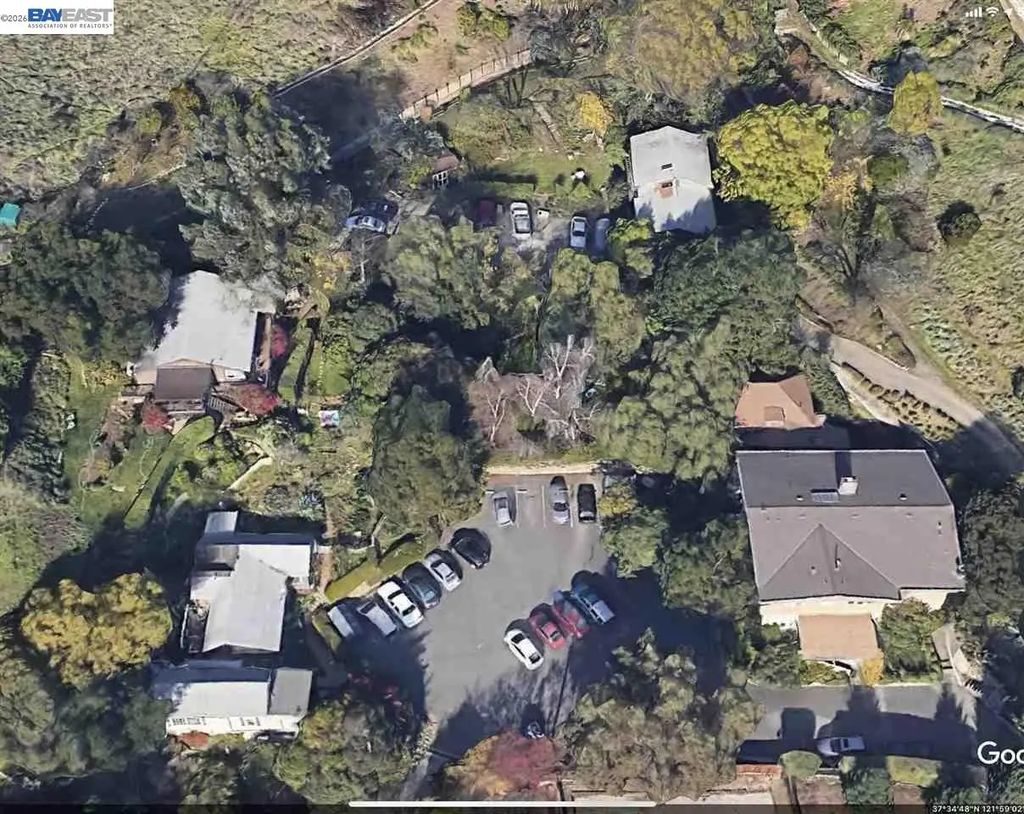
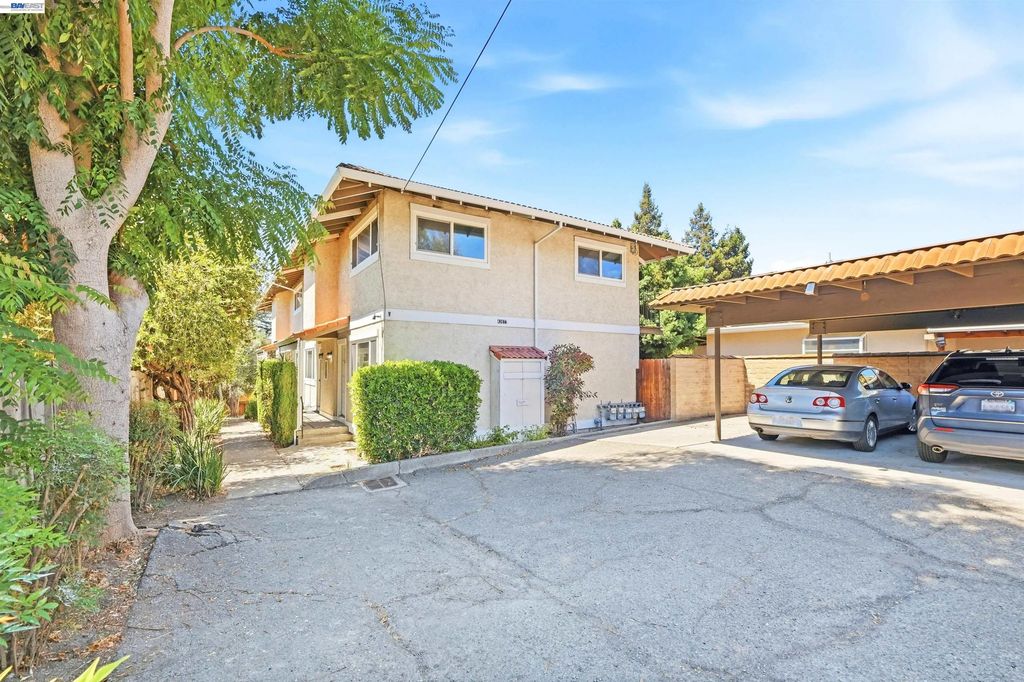
The practical consequence for investors is that traditional multi-family inventory in Fremont is genuinely scarce. When duplexes, triplexes, and small apartment buildings do come to market, they move in approximately 23 days and command prices of $1.985M to $2.65M+ — reflecting both the city's high underlying property values and the premium investors place on the limited supply of income-producing assets in this market. This is not a market for investors seeking entry-level multi-family at modest prices; it's a market for investors who understand that Fremont's rental demand fundamentals are strong enough to support those purchase prices over a long hold.
ADU & Single-Family Conversion Strategies
Given the scarcity and high price of traditional multi-family inventory, many Fremont income investors pursue a different strategy: purchasing single-family homes with ADU potential and building or converting an accessory dwelling unit to generate rental income while owning a primary residence or investment property. Fremont's older Ranch-style homes frequently have large lots, detached garages, and floor plans that accommodate SB 9 lot splits or ADU conversions with modest permitting effort. California's expanded ADU laws — including SB 1211, which allows multiple ADUs on qualifying parcels — have opened income strategies on Fremont single-family properties that simply weren't available a decade ago.
Where Income Property Demand Is Strongest
Centerville and Irvington — the flatland districts closest to Fremont BART and the core commercial corridors — have the highest concentration of traditional multi-family inventory and the strongest BART-adjacent renter demand. Properties within walking distance of the BART station command the tightest vacancy rates and the most consistent tenant interest. Warm Springs, near the Warm Springs/South Fremont BART station and the Tesla plant, has strong employment-adjacent demand from manufacturing and tech workers who want to minimize commute time. Ardenwood benefits from Meta campus proximity and a family-friendly character that attracts tech workers seeking longer-term tenancies.
Fremont's Employment Ecosystem
Fremont's nearly 90 square miles span multiple employment districts that together create one of the most economically diverse job bases of any South Bay city. The Warm Springs Innovation District is home to advanced manufacturing and tech R&D. Ardenwood Technology Park and Bayside Technology Park house biotech, medical device, and tech companies. Pacific Commons is a major retail and commercial center. And downtown Fremont's ongoing revitalization adds retail and services employment. For income investors, a diversified employer base means the rental market is not hostage to any single company's fortunes.
Frequently Asked Questions
Is Fremont a good income property market?
Yes — strong fundamentals including Tesla and Meta employment, three BART stations, and median rents of approximately $3,000/month create consistent demand. The primary constraint is entry cost: multi-family properties trade at $1.98M–$2.65M+. ADU strategies on single-family properties offer an alternative income approach at lower initial investment.
What types of income properties are available in Fremont?
Traditional multi-family inventory is very limited — typically a few duplexes, triplexes, and small apartment buildings at any time, at high price points. ADU conversions and SB 9 lot splits on single-family Ranch-style homes are an increasingly common income strategy.
What drives Fremont rental demand?
Tesla (largest employer), Meta Ardenwood campus, Warm Springs Innovation District and Ardenwood Technology Park, three BART stations (Fremont, Union City, Warm Springs/South Fremont), and Fremont's position as a more affordable alternative to San Jose or Palo Alto for South Bay workers.
Work With Bruce Wagg
Fremont's income property market is thinly traded and high-stakes — when a well-located duplex or fourplex comes to market here, it attracts experienced investors quickly. Bruce Wagg has the South Bay market knowledge to help you identify income opportunities in Fremont, evaluate the numbers accurately at these price points, and assess ADU potential on single-family properties that others overlook.
Call Bruce at (669) 202-7777 or use the contact form below to discuss Fremont income property opportunities.