
Oakland Investment Properties
Oakland is one of the most compelling residential investment markets in California — a city where BART connectivity to San Francisco, a deep and diverse rental pool, and acquisition prices that remain significantly below San Francisco's produce income property economics that the primary city across the Bay simply cannot match. Duplexes, triplexes, Victorian flats, Craftsman-era multi-units, and larger apartment buildings are available across every neighborhood tier and every price point, from owner-occupant duplexes in the $800,000s to fully tenanted multi-unit buildings at $3,000,000 and above. For investors who understand the market — and specifically, who understand Oakland's rent ordinance, due diligence requirements, and neighborhood-by-neighborhood return profiles — Oakland residential income property represents one of the best risk-adjusted investments available in the Bay Area.
Residential Income Property In Oakland





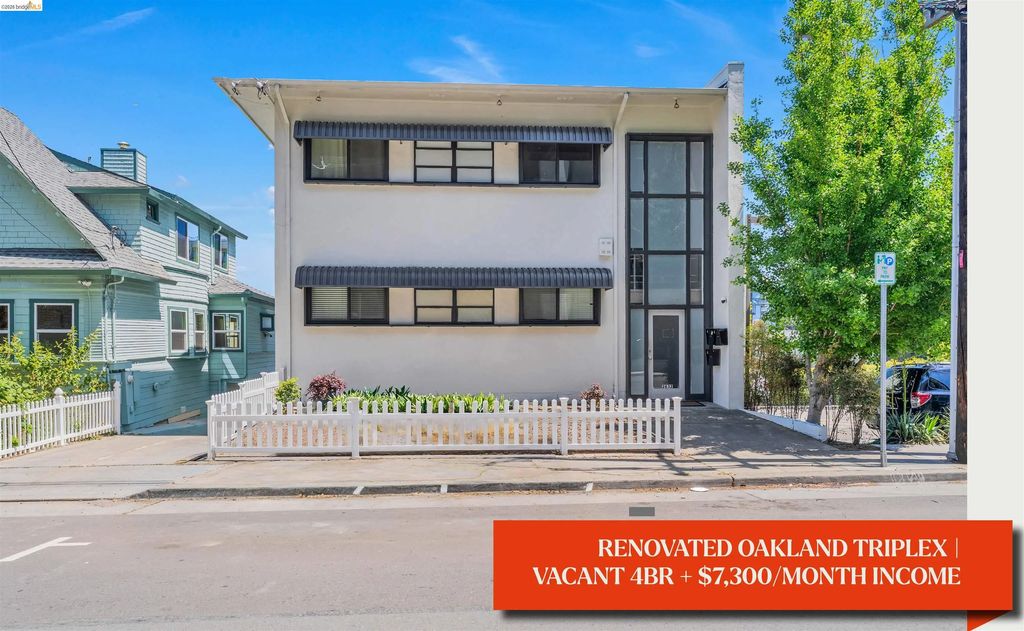
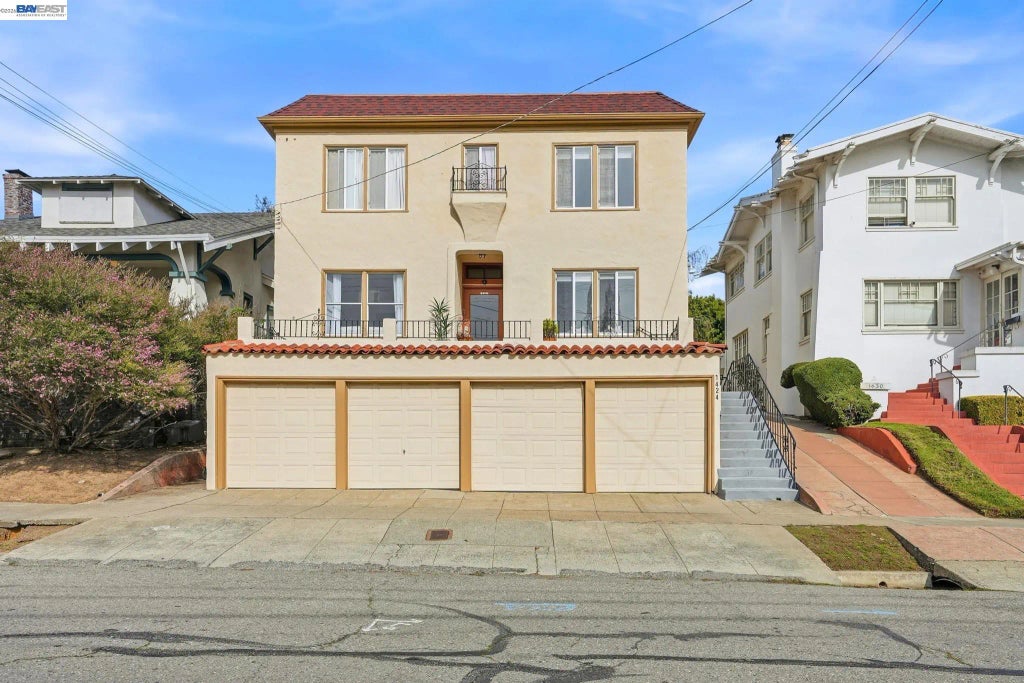
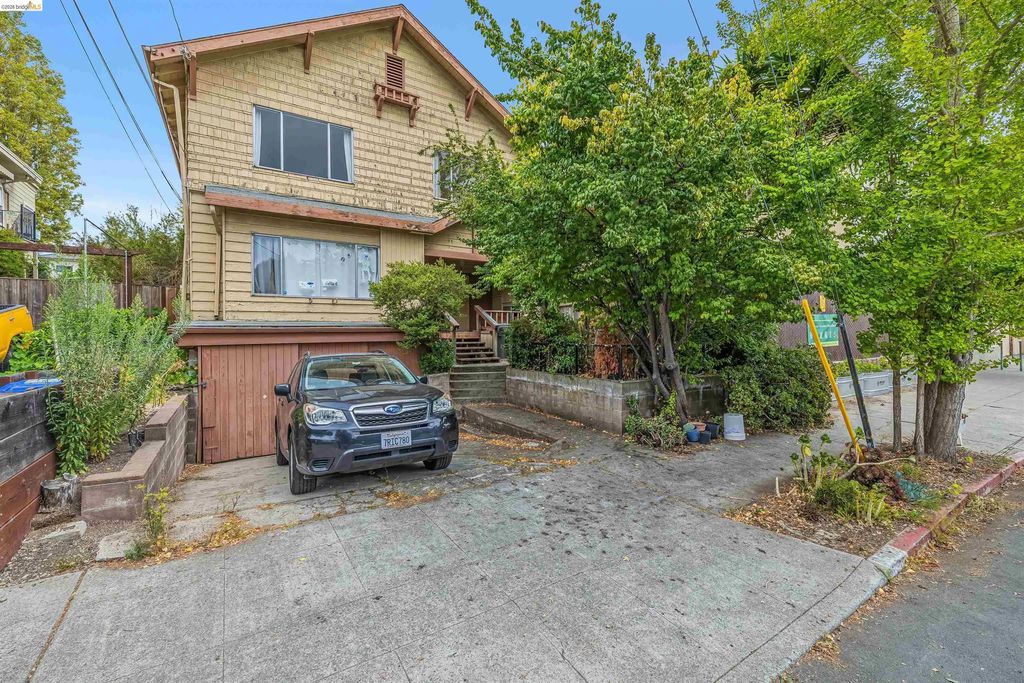

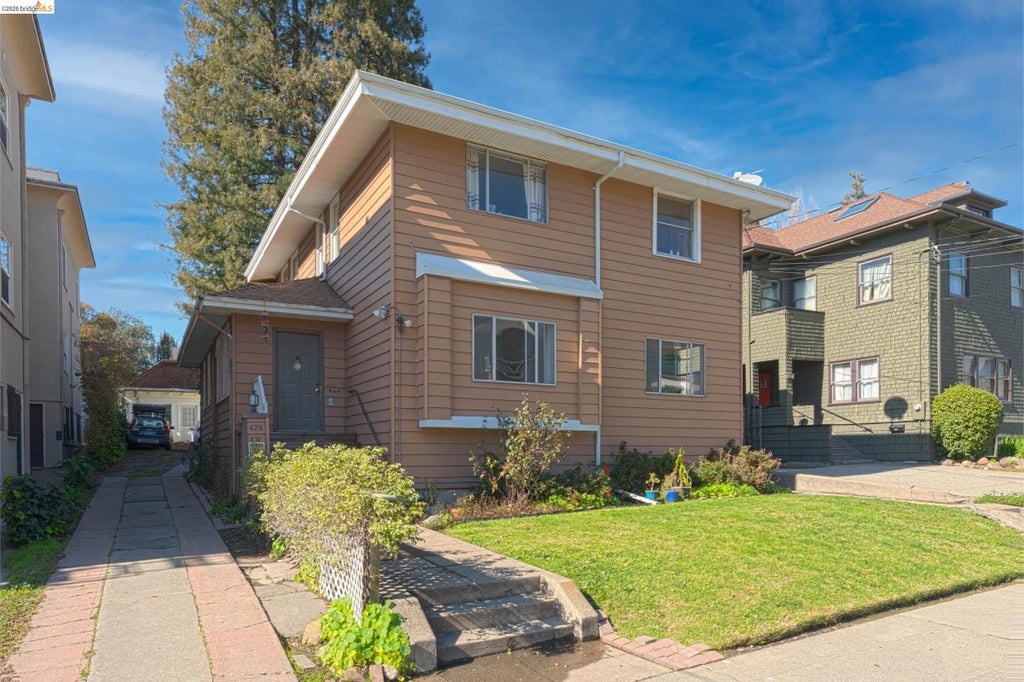

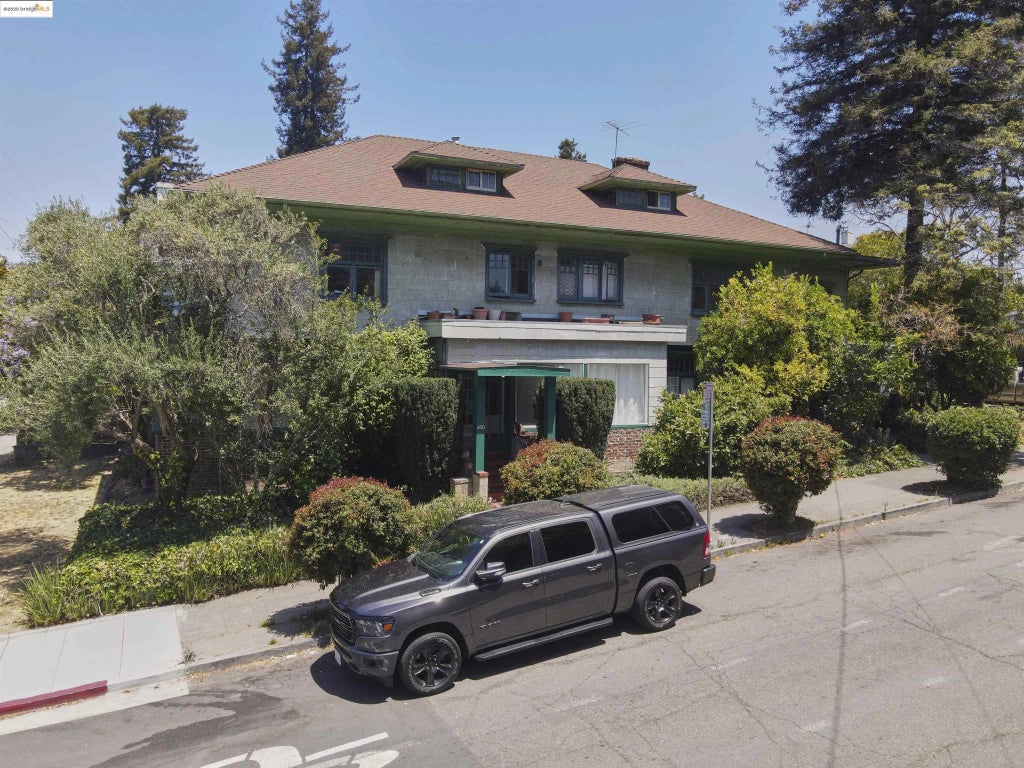


Why Oakland? The Investment Case
The structural case for Oakland residential investment begins with geography and infrastructure. Oakland is connected to San Francisco by BART — a rail system that delivers East Bay residents to San Francisco's Financial District in 20–25 minutes from most Oakland BART stations. That connectivity makes Oakland rental housing accessible to the enormous San Francisco workforce, sustaining rental demand that is not dependent on Oakland's local job market alone. When San Francisco rents rise, Oakland rents follow. When San Francisco housing becomes unaffordable for a wider segment of workers, those workers rent in Oakland. The demand floor is durable and has held through multiple economic cycles.
Oakland also sits directly adjacent to the University of California Berkeley, which produces consistent student and faculty rental demand in north Oakland, Rockridge, Temescal, and the MacArthur corridor year after year. Kaiser Permanente's flagship Oakland Medical Center, UCSF Benioff Children's Hospital Oakland, and the Port of Oakland provide additional local employment-driven demand. A growing technology and creative economy has layered on top of these legacy demand drivers, deepening the rental pool across the city's better-located neighborhoods.
The acquisition cost advantage over San Francisco is real and persistent. A Victorian duplex in Temescal or Piedmont Avenue that would cost $1,600,000–$1,900,000 in a comparable San Francisco neighborhood typically trades at $900,000–$1,200,000 in Oakland, with achievable rents within 10–15% of San Francisco equivalents. The result is a meaningfully better cap rate and cash flow profile at entry, on a lower property tax basis, in a market with the same rent control framework.
Oakland Rent Control — What Every Investor Must Understand
Oakland's Rent Adjustment Program (RAP) is the single most important regulatory factor in Oakland investment property analysis. Every buyer must understand it in full before acquisition.
What is covered. Rent control applies to most residential units in buildings of two or more units built before January 1, 1983. If a building has two or more units and was built before that date, assume it is covered unless confirmed otherwise. Covered units are subject to annual rent increase limits tied to the Consumer Price Index — typically 2–3% annually — regardless of what market rents are doing. A landlord cannot increase a covered unit's rent beyond the annual allowable increase while the tenancy continues, no matter how far below market that rent falls.
What is exempt. Buildings constructed after January 1, 1983 are exempt from rent control under California's Costa-Hawkins Rental Housing Act. Single-family homes and condominiums are also exempt under Costa-Hawkins. However, all residential properties — including Costa-Hawkins-exempt properties — remain subject to Oakland's Just Cause for Eviction Ordinance, which requires landlords to have a legally recognized reason to terminate a tenancy. There is no such thing as a no-cause eviction in Oakland.
The rent gap — the most critical acquisition variable. The financially consequential rent control issue in Oakland income property is the gap between existing controlled rents and current market rents. A long-tenured tenant in a 1920s Oakland duplex may be paying $1,100/month for a unit that would rent for $2,400/month today on the open market. That $1,300/month gap represents over $15,600 annually in unrealized income — locked in as long as the tenancy continues. When evaluating any rent-controlled property, the essential questions are: what are the current rents, how long have the tenants been in place, and what is the realistic path to market rents? Vacant units can be re-rented at full market rate; occupied units cannot be increased beyond the annual CPI allowance. Every acquisition analysis must be underwritten on actual current rents, not pro forma market rents, until a realistic vacancy timeline is established.
Owner move-in provisions. Oakland's Just Cause ordinance permits an owner to terminate a tenancy under an owner move-in (OMI) provision if the owner or a qualifying family member genuinely intends to occupy the unit as a primary residence. The OMI process has strict procedural requirements, relocation assistance payment obligations to the displaced tenant, and restrictions on re-renting the unit after the owner vacates. Owner-occupant duplex buyers should understand the OMI provision clearly — it is a legitimate and commonly used tool, but it must be executed in full compliance with the ordinance.
Ellis Act. California's Ellis Act permits a landlord to remove all units in a building from the rental market permanently, subject to strict relocation assistance requirements and a five-year prohibition on re-renting. This is a last-resort provision that creates significant short-term costs and long-term constraints on the property. It is not a routine exit strategy and should not be underwritten as one.
Oakland Investment Property Types
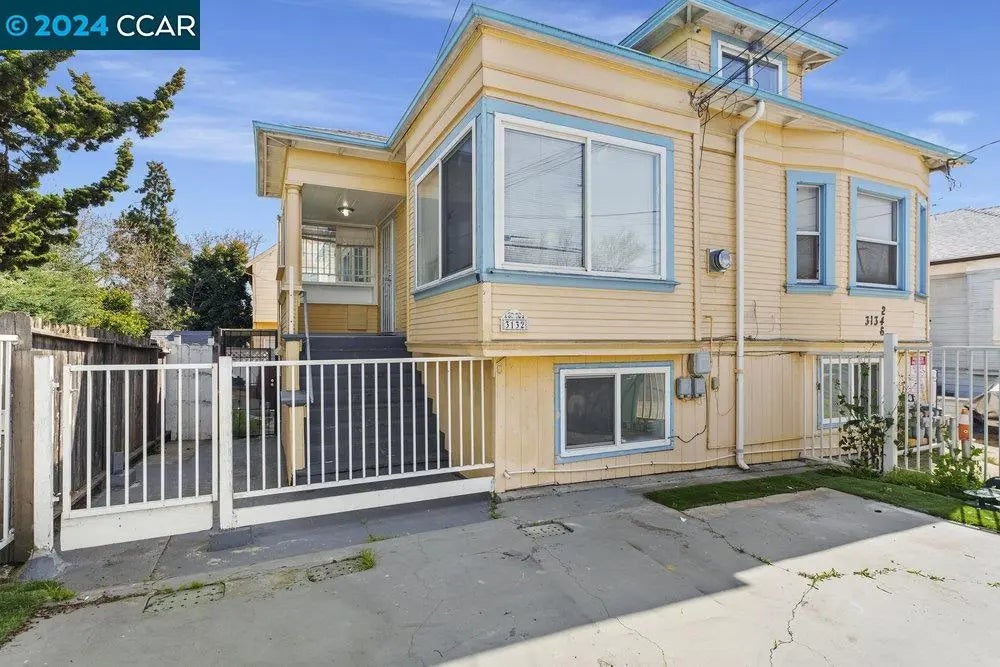
Victorian and Edwardian flats (2–3 units) are Oakland's most abundant income property type — stacked flat buildings typically built between 1880 and 1915, with one unit per floor and the owner's unit often on the upper floor. They appear in concentration in Pill Hill, Mosswood, Prescott, Golden Gate, and the central Oakland corridor. They carry significant architectural character, attract quality tenants, and are almost universally subject to rent control. Deferred maintenance — foundations, plumbing, electrical, roofs — is a real concern in this building type and must be assessed specifically and thoroughly.
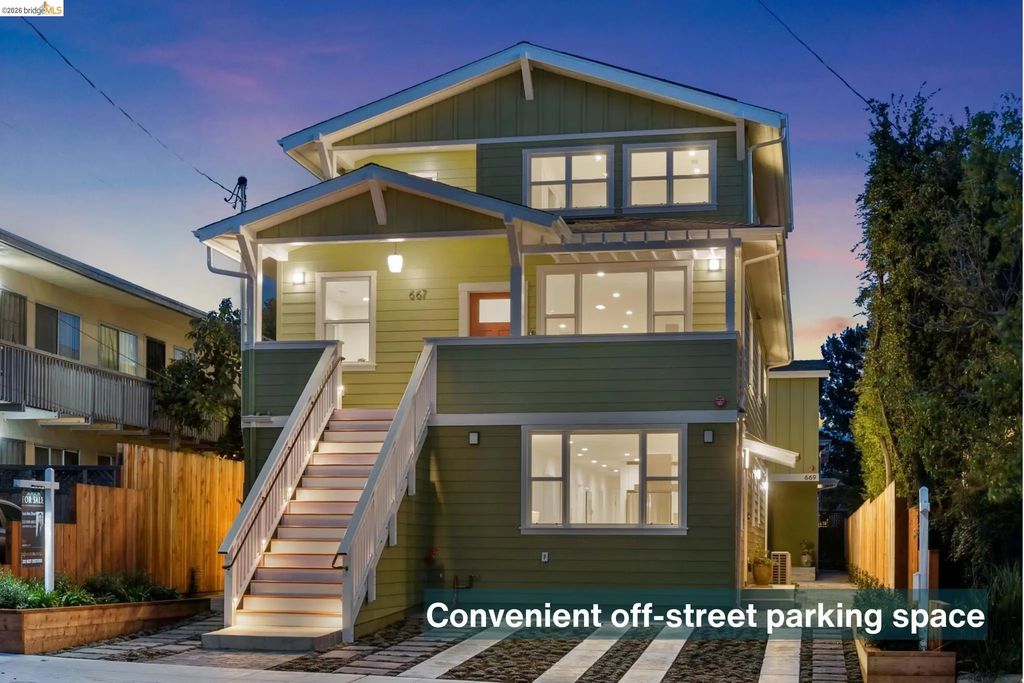
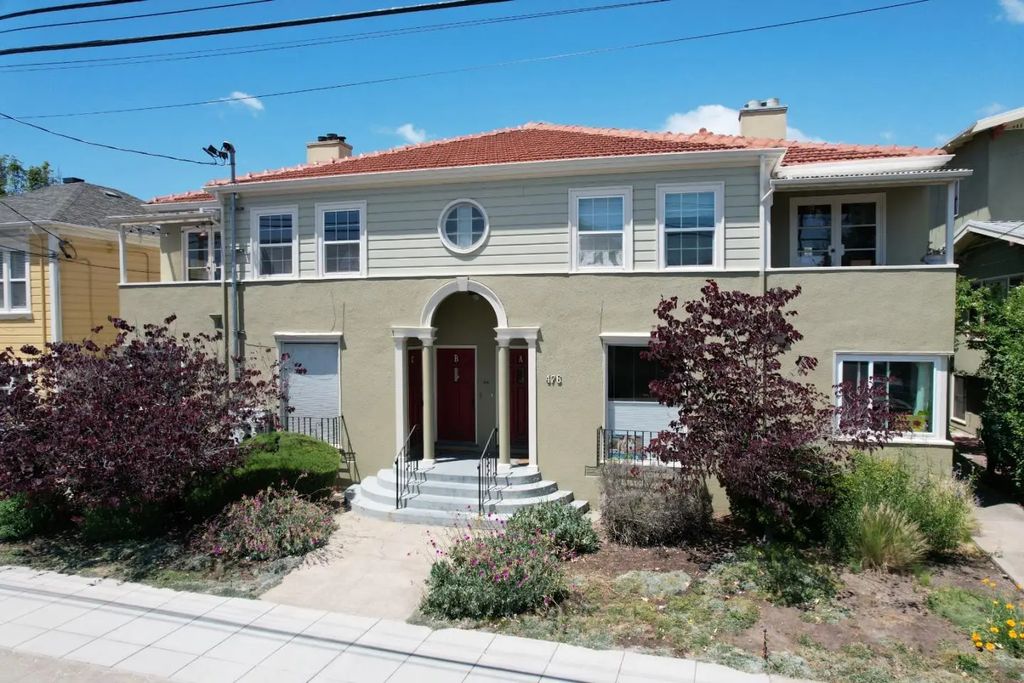
Craftsman-era duplexes and triplexes (1920s–1930s) dominate the flatland neighborhoods. These buildings often present as single-family homes from the street — side-by-side or front-back configurations — with solid construction and good lot sizes. They appear in high concentration in the Dimond, Maxwell Park, the Laurel, Fruitvale, and the east Oakland flatland corridor. Acquisition costs are lower than central Oakland, producing stronger gross rent multipliers for cash-flow-focused investors.
Owner-occupant duplexes are one of Oakland's most financially efficient entry strategies — discussed in detail in the section below.
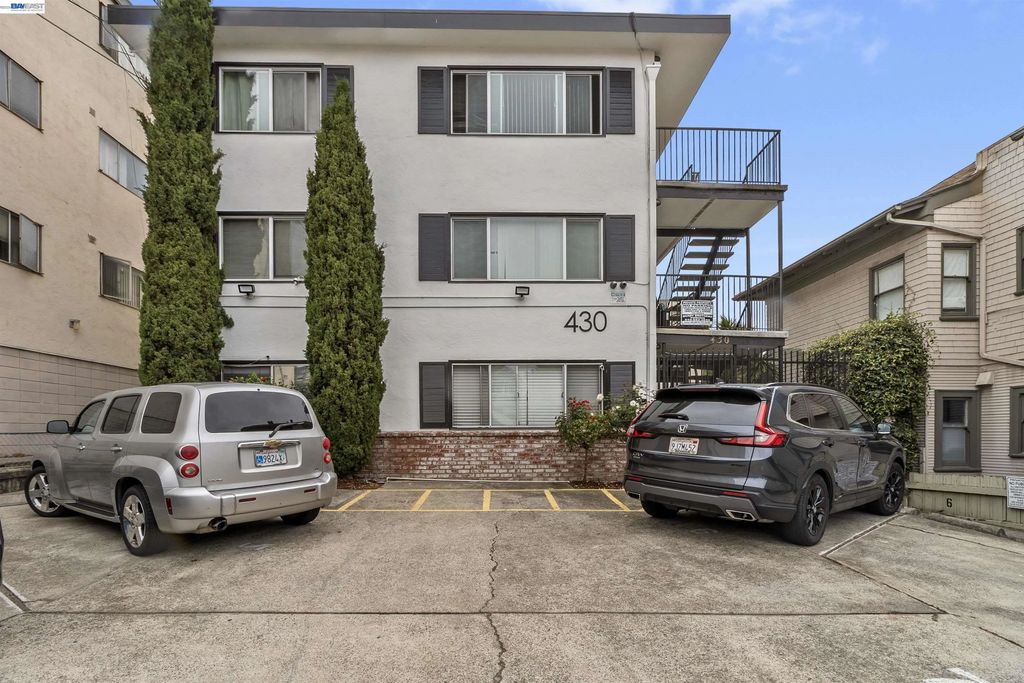
Purpose-built apartment buildings (4–20 units) represent the mid-market investment tier. Built primarily between the 1940s and 1970s, they appear throughout Oakland's flatland and near-hills neighborhoods. They require active property management and carry higher operating cost ratios than smaller buildings, but provide income diversification across multiple units and more stable cash flow — a single vacancy does not move the needle the way it does in a duplex.
Mixed-use buildings along Oakland's major commercial corridors — Telegraph Avenue, MacArthur Boulevard, International Boulevard, Piedmont Avenue — combine ground-floor commercial with residential units above. Commercial tenants typically sign longer leases and are not subject to residential rent control, providing a more flexible income component. Commercial vacancy can take longer to fill and may require tenant improvement expenditure between tenants.
Neighborhood Investment Profiles
Rockridge / Temescal / Piedmont Avenue. Oakland's premium residential investment corridor. Strong rents, minimal vacancy, quality tenant pool drawn by BART access and walkable commercial districts. Highest acquisition costs in the flatlands, producing lower initial cap rates, but the strongest long-term appreciation history and most resilient values across Oakland's real estate cycles. Best suited to investors who prioritize asset quality and long-term appreciation over maximum initial yield.
MacArthur Corridor / Mosswood / Pill Hill. Mid-tier acquisition costs with strong rental demand driven by MacArthur BART, Kaiser Hospital, and the medical district concentration. Victorian and Edwardian flat inventory is concentrated here. Cap rates run stronger than Rockridge at comparable tenant quality. One of Oakland's most active investment corridors in the $900,000–$1,400,000 acquisition range.
Fruitvale / The Dimond / Maxwell Park / The Laurel. Oakland's cash-flow corridor. Lower acquisition costs relative to achievable rents produce the city's strongest gross rent multipliers and cap rates. Fruitvale BART drives consistent SF commuter demand. The improving Laurel District commercial strip and Dimond's established Park Boulevard identity support improving tenant demographics. Best suited to investors who prioritize initial yield and cash flow.
East Oakland Flatlands (Seminary, Allendale, Bartlett). Oakland's deepest value tier for income property. Lowest acquisition costs in the city, solid rents relative to price, BART and freeway access from Fruitvale and Coliseum stations. Produces the strongest cap rates available in Oakland residential income property for investors who approach the market with appropriate due diligence and local knowledge. Requires comfort with the full Oakland landlord regulatory environment and committed property management.
The Hills (Montclair, Claremont, Rockridge Hills). Income property in the hills is rare and commands premium prices. Cap rates are the lowest in the city. The investment case rests on long-term appreciation, very low vacancy, and a tenant quality that mirrors owner-occupant demographics. Best suited to wealth-preservation investors less focused on current yield.
The Oakland Owner-Occupant Duplex Strategy
For buyers who are simultaneously solving a housing need and building an investment portfolio, the Oakland owner-occupant duplex deserves serious attention as a primary strategy. The mechanics are straightforward: buy a duplex, occupy one unit as your primary residence, rent the other. The financial advantages compound across several dimensions.
Financing advantages. FHA loans allow owner-occupants to purchase 2-unit properties with as little as 3.5% down. Conventional owner-occupant financing typically requires 15–20% down on a duplex versus 25% for a pure investment property — a meaningful difference in entry capital. Interest rates on owner-occupant financing are lower than investment property rates. And a portion of the rental income from the second unit can be counted by lenders in qualifying calculations, improving debt-to-income ratios and expanding purchasing power.
The effective housing cost math. A duplex purchased at $950,000 with 20% down ($190,000) at current rates produces a monthly PITI of approximately $5,500–$6,000. A second unit renting at $2,200–$2,800/month reduces the net housing cost to $2,700–$3,800/month — competitive with or below the cost of renting a comparable single-family home in the same Oakland neighborhood, while the buyer simultaneously builds equity in both units and owns an appreciating asset.
Long-term flexibility. The owner-occupant duplex buyer builds equity in both units over time, benefits from Oakland's long-term appreciation history, and maintains the flexibility to convert to a pure income property — renting both units at market rate — when ready to move to a larger home. The second unit becomes a pure investment at that point, and the original owner-occupant mortgage basis remains in place. It is one of the most financially efficient entries into East Bay real estate available at any price tier.
Investment Property Due Diligence in Oakland
Oakland investment property due diligence requires specific investigation that goes well beyond standard residential purchase inquiry. Every buyer should address the following before closing.
Rent roll verification. Obtain estoppel certificates from all tenants confirming current rent, tenancy start date, security deposit held, and any existing agreements or concessions. Verify actual rent payment history — not just what the seller represents. Confirm whether each unit is subject to RAP coverage and what the unit's base rent history is under the program.
RAP petition history. Search Oakland's Rent Adjustment Program records for any pending or historical rent adjustment petitions on the property. A pending tenant petition for a rent decrease or habitability determination is a material fact requiring resolution before or at closing.
Building condition — Oakland-specific concerns. Oakland's older Victorian and Craftsman building stock presents specific maintenance concerns: soft-story foundation vulnerability in pre-1980 multi-unit buildings (potentially subject to Oakland's Soft Story Retrofit Program mandate), original galvanized plumbing that degrades over time, knob-and-tube electrical requiring upgrading, and flat or low-pitch roofs on Victorian buildings requiring more frequent replacement. An inspector experienced with Oakland's older building types is essential — this is not a standard home inspection assignment.
Soft Story Retrofit Program compliance. Oakland's Mandatory Soft Story Retrofit Program requires certain wood-frame multi-unit buildings built before January 1, 1978 to undergo seismic evaluation and, where required, structural retrofitting. Buyers should determine whether a target property is subject to the program, whether compliance has been completed, and if not, what the estimated retrofit cost will be. Retrofit costs can run $50,000–$150,000 or more depending on building size and configuration — a real acquisition cost that must be factored into price negotiation.
Permit and code violation history. Pull the property's full permit history through Oakland's Planning and Building Department. Unpermitted additions, unit conversions, or structural work affect the legal unit count, the property's insurability, and the buyer's exposure to retroactive compliance requirements. Outstanding code violations transfer with the property at closing.
Environmental. Lead paint disclosure is required for buildings built before 1978 and is nearly universal in Oakland's Victorian and Craftsman stock. Asbestos-containing materials — insulation, floor tiles, roofing — are common in buildings from the 1940s–1970s. Phase I environmental assessment is appropriate for larger multi-unit acquisitions.
Work With Bruce Wagg on Oakland Investment Property
Investment property acquisition in Oakland is not a transaction to approach without specific local expertise. The rent ordinance, the soft story program, the building-specific due diligence requirements for older stock, and the neighborhood-by-neighborhood differences in return profiles and tenant dynamics all require an agent who knows the Oakland investment market specifically — not just Oakland residential real estate generally.
Bruce Wagg at Keller Williams has deep experience across Oakland's investment property market at every tier. Call (669) 202-7777 or use the contact form below to discuss your investment objectives and start your Oakland income property search.