
.24.jpg)
Berkeley CA Real Estate, Neighborhoods, Architecture & East Bay Living
Berkeley is one of the East Bay’s most distinctive cities — a place where UC Berkeley’s academic energy, historic architecture, independent restaurants, BART access, strong public schools, and classic East Bay neighborhoods all come together. Set along the eastern shore of San Francisco Bay just north of Oakland, Berkeley offers everything from Elmwood Craftsman homes and Claremont estates to North Berkeley brown shingles, Berkeley Hills view homes, Southside condos, and more accessible entry points in West Berkeley and South Berkeley.
Berkeley buyers often need to compare very different micro-markets before writing an offer: Elmwood and Claremont for classic architecture and location, North Berkeley and Thousand Oaks for neighborhood character, the Berkeley Hills for views and privacy, and South or West Berkeley for value and transit access.
Bruce Wagg helps buyers and sellers evaluate Berkeley homes at the neighborhood, property-condition, pricing, inspection, and resale level so you can make a stronger decision before entering one of the East Bay’s most competitive markets.
Trying to decide where to buy or how to price a Berkeley home? Call or text Bruce Wagg at (669) 202-7777 for local guidance before you tour, list, or make an offer.
Search Berkeley Real Estate Listings


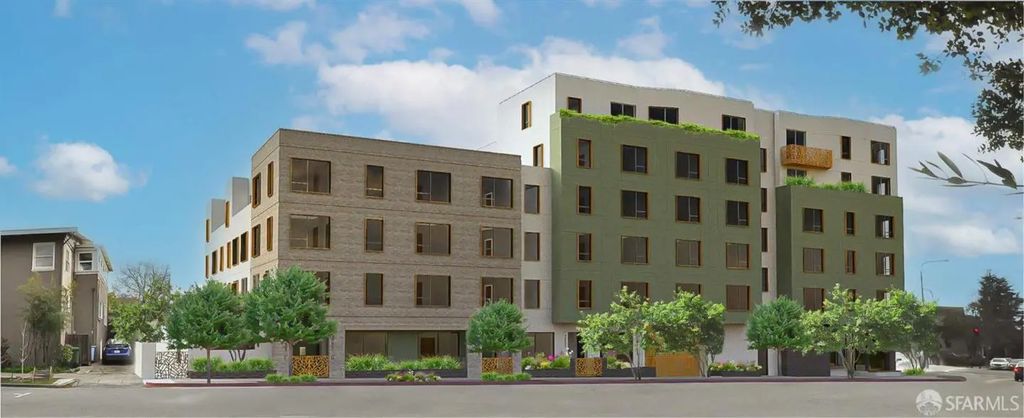


Berkeley Real Estate Market Overview
Berkeley’s housing market remains competitive because the city combines limited housing supply, strong neighborhood demand, historic architecture, transit access, and a lifestyle that is difficult to duplicate elsewhere in the East Bay. Buyers are drawn to Berkeley for its walkable neighborhoods, BART access to San Francisco, UC Berkeley’s cultural and academic influence, and the ability to find homes with real character.
Berkeley’s market operates in several distinct segments. In the city’s premier residential neighborhoods — Elmwood, Claremont, Thousand Oaks, North Berkeley, and the Berkeley Hills — demand is persistent and supply is limited. Homes in these areas often attract strong buyer interest when they are priced correctly and presented well.
The broader Berkeley market — including Berkeley condos, multi-family properties, and flatter neighborhoods closer to transit or commercial corridors — can offer more accessible opportunities. Buyers who understand Berkeley’s neighborhood-by-neighborhood variation are usually better prepared when the right property appears.
For sellers, Berkeley rewards accurate pricing, strong preparation, careful disclosure review, and marketing that explains the property’s neighborhood, architecture, commute advantages, school-zone context, and long-term resale value. A Berkeley home is rarely just a house; it is usually part of a very specific block, school zone, commute pattern, architectural period, and lifestyle story.
Berkeley Neighborhoods: A Complete Buyer’s Guide
Berkeley’s neighborhoods are genuinely distinct communities, each with a different architectural character, price point, lifestyle profile, and relationship to the city’s amenities. Here is a practical breakdown for buyers comparing Berkeley homes for sale.
Elmwood — Berkeley’s Premier Walkable Neighborhood
Elmwood is one of Berkeley’s most desirable residential neighborhoods, centered around the College Avenue commercial district near Ashby Avenue. Residential streets feature Craftsman, Tudor Revival, Spanish Colonial, brown shingle, and Arts and Crafts homes, many built in the early 20th century and maintained with a level of care that makes the neighborhood feel established and timeless.
The College Avenue corridor offers restaurants, coffee shops, bookstores, neighborhood services, and everyday walkability. Many Elmwood residents also use Rockridge BART, just south across the Oakland border, for access to San Francisco and the broader Bay Area.
Buyers choose Elmwood for architecture, walkability, school-zone appeal, and proximity to both Berkeley and Oakland amenities. Sellers in Elmwood benefit from the neighborhood’s reputation, but presentation and pricing still matter because buyers at this level compare condition, layout, updates, yard space, and parking very closely.
Claremont — Grand Homes, Hillside Streets & Classic East Bay Architecture
Claremont, in Berkeley’s southeastern corner near the Oakland border, is known for larger homes, elegant architecture, mature landscaping, and proximity to the Claremont Club & Spa. The neighborhood includes Tudor Revival, Mediterranean, English Colonial, and other substantial period homes, along with hillside properties that can offer views and privacy.
One important nuance for school-focused buyers: some streets near the Berkeley-Oakland border may carry similar neighborhood identity but fall into different city or school-district boundaries. Always verify the exact parcel, city jurisdiction, and school district before making a purchase decision.
Claremont buyers are often comparing Berkeley, Oakland, Rockridge, and Piedmont alternatives. If you are looking in this area, it is worth comparing nearby Upper Rockridge homes for sale, Rockridge homes for sale, and Piedmont homes for sale.
Thousand Oaks — North Berkeley’s Family Favorite
Thousand Oaks is one of North Berkeley’s most beloved residential neighborhoods, with quiet streets, mature trees, classic bungalows, brown shingles, and Period Revival homes. Solano Avenue, shared with Albany, provides restaurants, independent shops, a farmers market, and the annual Solano Stroll.
Buyers are often drawn to Thousand Oaks for its neighborhood feel, access to North Berkeley amenities, proximity to parks, and relatively strong public-school reputation within the Berkeley Unified School District system. It can be a strong fit for buyers who want North Berkeley character without necessarily stretching to Elmwood or Claremont pricing.
North Berkeley and Northbrae — Academic Character and BART Access
North Berkeley and Northbrae have long appealed to UC Berkeley faculty, researchers, professionals, and families who want a quieter residential setting with access to BART, Hopkins Street, Monterey Market, neighborhood cafes, and parks. The housing stock includes brown shingles, Craftsmans, Tudors, and homes with mature gardens and established street presence.
North Berkeley BART is a major advantage for commuters, and the area offers a balance of architectural charm, school appeal, and everyday convenience. Buyers comparing North Berkeley often also look at Thousand Oaks, Albany, Kensington, and parts of the Berkeley Hills.
Berkeley Hills — Views, Privacy and Nature
The Berkeley Hills include elevated residential areas known for Bay views, San Francisco skyline views, privacy, winding streets, and access to Tilden Regional Park. The housing stock ranges from 1920s Period Revival homes to mid-century moderns and contemporary residences designed to maximize outlooks and natural light.
Berkeley Hills buyers should evaluate more than the view. Driveway usability, fire-zone considerations, insurance availability, drainage, retaining walls, seismic condition, emergency access, and road width can all affect value and ownership experience. Sellers in the hills need pricing and presentation that account for both the emotional appeal of views and the practical concerns buyers will raise during inspections.
Downtown Berkeley and Southside — Campus Energy and Condo Value
Downtown Berkeley and Southside are the city’s most transit-dense environments, with Downtown Berkeley BART, UC Berkeley, restaurants, theaters, cafes, and cultural venues nearby. Buyers looking for walkability, transit access, and a more urban lifestyle often consider condos and smaller multi-unit properties in this part of the city.
This area can be a good fit for buyers who prioritize BART, campus access, rental potential, and convenience over a traditional single-family neighborhood. It can also appeal to investors and parents considering housing near UC Berkeley.
West Berkeley — Value, Character and Bay Access
West Berkeley is one of the city’s more accessible areas for single-family homes, condos, loft-style properties, and mixed-use surroundings. The neighborhood has an industrial and creative history, with proximity to the 4th Street shopping district, design businesses, food producers, the Berkeley Marina, Aquatic Park, and the Bay Trail.
The trade-off is that West Berkeley is generally more car-dependent than neighborhoods close to BART, though biking, buses, and freeway access can still work well depending on the buyer’s commute. For buyers who want Berkeley identity at a lower entry point than Elmwood, Claremont, or North Berkeley, West Berkeley deserves serious consideration.
Berkeley Schools: What Buyers Should Know About BUSD
Berkeley Unified School District is one of the key reasons many buyers consider Berkeley. However, Berkeley’s school assignment system is different from traditional address-based assignment models used in many other cities.
Instead of assigning every child to a single school based only on home address, BUSD uses attendance zones and a lottery-based assignment process. Your address places you within a zone, but it does not guarantee a specific elementary school. This is especially important for buyers moving from other East Bay or Peninsula communities where school assignment may be more directly tied to the property address.
The Northwest Zone generally includes North Berkeley, Thousand Oaks, and areas near the Albany border. The Central Zone includes much of the core flatlands and areas near Downtown Berkeley. The Southeast Zone includes Elmwood, Claremont, and Southside. Berkeley High School serves students citywide.
The practical implication for buyers is simple: understand the zone before you write an offer, but do not assume a specific school assignment based only on a listing description. Bruce Wagg can help you evaluate school-zone considerations as part of a broader neighborhood and resale-value discussion.
Getting Around Berkeley: BART, Transit and Commute Times
Berkeley’s three BART stations — Downtown Berkeley, North Berkeley, and Ashby — form the backbone of the city’s commute infrastructure. Many Elmwood buyers also use Rockridge BART in Oakland because it may be closer than a Berkeley station depending on the exact block.
AC Transit Transbay service provides another important commute option, especially for residents in neighborhoods farther from BART. Buyers comparing Berkeley neighborhoods should think carefully about the actual door-to-door commute, not just the distance to San Francisco on a map.
By car, Berkeley offers convenient access to Oakland, Emeryville, San Francisco, Marin, and the broader East Bay. Commutes to the South Bay are possible but can be long during peak traffic, so buyers working in San Jose, Mountain View, Sunnyvale, Cupertino, or Palo Alto should evaluate the commute carefully before choosing Berkeley over Peninsula or South Bay options.
Berkeley Life: What Makes This City Different
Berkeley’s daily life is shaped by UC Berkeley, independent businesses, food culture, public lectures, bookstores, cafes, parks, theaters, and a strong neighborhood identity. The city offers a rare combination of intellectual energy, architectural character, transit access, outdoor recreation, and urban convenience.
Monterey Market, the Berkeley farmers markets, Chez Panisse, the Gourmet Ghetto, Solano Avenue, College Avenue, the Berkeley Marina, Tilden Regional Park, Berkeley Rep, the Aurora Theatre, Cal Performances, and the UC Berkeley campus all contribute to Berkeley’s appeal. For many buyers, Berkeley is not just a place to buy a house — it is a lifestyle choice.
Berkeley vs. Oakland, Piedmont and San Francisco
Berkeley vs. Oakland: Berkeley often costs more than comparable Oakland homes, especially when buyers are comparing Elmwood, Claremont, Thousand Oaks, or North Berkeley with Rockridge, Upper Rockridge, Crocker Highlands, or Montclair. Berkeley’s premium is often tied to school perception, UC Berkeley influence, transit, and architectural character.
Berkeley vs. Piedmont: Piedmont homes offer a small-city residential environment, highly regarded public schools, and a more traditional family-neighborhood feel. Berkeley offers more urban energy, BART access, cultural density, restaurants, and a wider variety of housing types.
Berkeley vs. San Francisco: Berkeley often gives buyers more space, more architectural character, easier parking, and stronger access to East Bay outdoor life than many San Francisco neighborhoods. San Francisco offers a denser urban environment and shorter access to many city-based jobs. For buyers who want East Bay living with direct BART access to San Francisco, Berkeley remains one of the strongest options.
Working with Bruce Wagg to Buy or Sell in Berkeley
Berkeley is not a one-size-fits-all market. The right decision depends on the neighborhood, block, property condition, school-zone context, commute pattern, architecture, inspection profile, and resale potential. A home that looks perfect online may have foundation, drainage, insurance, retrofit, or permit issues that matter. A home that looks ordinary in photos may sit on a better block, have better bones, or offer stronger long-term value than a more polished competing property.
Bruce Wagg helps Berkeley buyers compare neighborhoods, evaluate property condition, understand pricing, prepare offers, and think through resale value before committing. For sellers, Bruce helps position the home, prepare it for market, explain the neighborhood story, review comparable sales, and create a pricing and marketing strategy designed to attract serious buyers.
Have questions about Berkeley homes for sale or the value of your Berkeley property? Call or text Bruce Wagg at (669) 202-7777.
Also browsing nearby? Compare Oakland homes for sale, Piedmont homes for sale, Kensington homes for sale, Berkeley luxury homes, and Berkeley condos for sale.

Berkeley Real Estate Statistics
| Average Home Price | $1.6M |
|---|---|
| Lowest Price | $2K |
| Highest Price | $16.8M |
| Total Property Listings | 264 |
| Avg. Price/SQFT | $585 |
Property Types (active listings)
Frequently Asked Questions About Berkeley CA Homes for Sale
What are the best Berkeley neighborhoods for buyers?
Elmwood, Claremont, Thousand Oaks, North Berkeley, Northbrae, and the Berkeley Hills are among the most sought-after areas for buyers who want classic architecture, neighborhood character, strong resale appeal, and access to Berkeley amenities. Buyers looking for more accessible price points may also consider West Berkeley, South Berkeley, Downtown Berkeley, and condo options near BART or UC Berkeley.
Is Berkeley a competitive real estate market?
Yes. Berkeley remains competitive because supply is limited and demand is supported by schools, architecture, BART access, UC Berkeley, and the city’s cultural identity. The most desirable homes in established neighborhoods can still attract strong buyer interest when priced correctly.
Are Berkeley Hills homes different from flatland Berkeley homes?
Yes. Berkeley Hills homes often offer views, privacy, larger lots, and proximity to Tilden Regional Park, but buyers should also evaluate fire-zone considerations, insurance availability, driveways, drainage, retaining walls, and emergency access. Flatland Berkeley homes may offer easier walkability, simpler access to BART, and more traditional neighborhood layouts.
How does the Berkeley school assignment system work?
Berkeley Unified School District uses attendance zones and a lottery-based assignment system rather than assigning every elementary student to one school based only on address. Buyers should verify the current school-zone process directly and understand that a property address does not automatically guarantee a specific elementary school.
Is Berkeley a good market for sellers?
Berkeley can be an excellent market for sellers, especially for homes with strong architecture, good location, thoughtful updates, usable outdoor space, and clear neighborhood appeal. Sellers still need accurate pricing, strong preparation, clean disclosures, and marketing that explains why the home is valuable within its specific Berkeley micro-market.
Does Bruce Wagg help Berkeley buyers and sellers?
Yes. Bruce Wagg helps Berkeley buyers compare neighborhoods, evaluate homes, understand pricing, and prepare competitive offers. He also helps Berkeley sellers prepare, price, market, and negotiate the sale of their homes with a focus on local positioning and buyer confidence.

Start searching for your dream home now.
When it comes to convenience, our site is unparalleled. Whether you're in the comfort of your home, or on the go.
Our site works flawlessly on multiple devices so you can find the information you need.