
Published: July 17, 2026
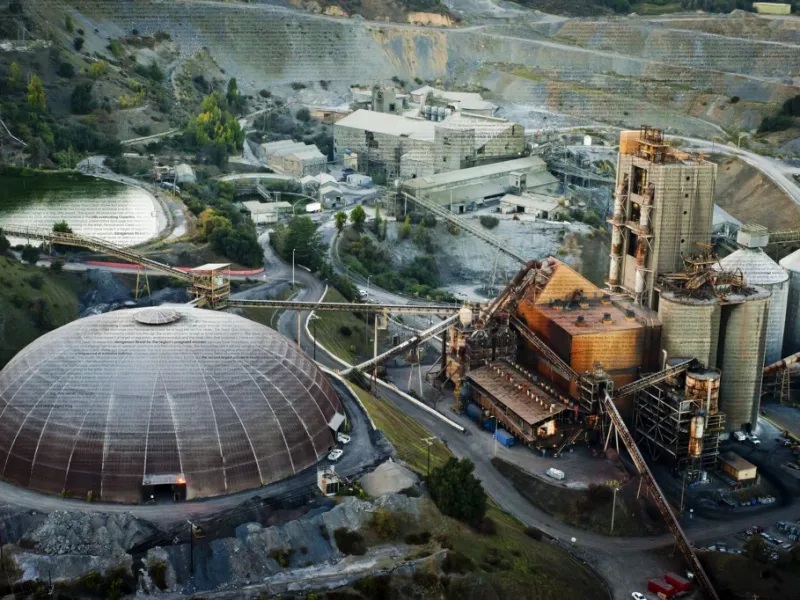
Demolition has begun at the former Permanente Cement Plant in the foothills west of Cupertino, marking the most visible step yet in the closure of one of Santa Clara County’s largest and most controversial industrial sites.
Heidelberg Materials, the company that owns the cement plant and surrounding Permanente Quarry property, has obtained permits and selected a contractor to remove approximately 40 structures from the 123-acre cement-plant portion of the property. The work follows the permanent shutdown of cement production and the end of cement-distribution activities at the site.
For Cupertino residents, the demolition represents the end of an industrial era. It does not, however, mean that the entire property is immediately becoming housing, parkland, or a new mixed-use development. The cement plant occupies only a small portion of a much larger property, and reclamation of the surrounding quarry is expected to be a complicated, closely watched process lasting decades.
Where Is the Permanente Cement Plant?
The Permanente Cement Plant and Quarry are located in the foothills immediately west of Cupertino, near Rancho San Antonio County Park and Open Space Preserve. Although the property is commonly associated with Cupertino, much of it is located in unincorporated Santa Clara County, with portions of the larger site extending into or near Cupertino and Palo Alto.
The complete Heidelberg Materials property covers approximately 3,500 acres. The current demolition activity is focused on the approximately 123-acre cement-manufacturing area rather than the entire quarry property.
Because the site sits above western Cupertino, changes to the property are relevant to nearby residents concerned about air quality, truck traffic, water quality, hillside stability, open-space protection, and the future appearance of the foothills.
What Is Being Demolished?
The demolition program is expected to remove approximately 40 industrial structures associated with cement manufacturing and distribution. These include equipment and infrastructure that are no longer needed following the permanent closure of the cement kiln and the end of cement-distribution operations.
The cement kiln stopped operating in 2020. Heidelberg Materials announced in 2022 that it would not restart kiln production, and a binding 2023 agreement with Santa Clara County made the closure permanent and required the removal of kiln-related infrastructure. The company reported that remaining cement-distribution activities had ended by the close of 2024.
Pre-demolition work has included evaluating buildings and materials so that regulated substances, including asbestos-containing materials, can be handled appropriately during removal. Residents may continue to see equipment, construction activity, dust-control measures, and truck movement as the demolition progresses.
A Major Part of Cupertino’s Industrial History
Limestone mining began in the Permanente area in the early 1900s, but the site became a major industrial operation after Henry J. Kaiser acquired it in 1939. The cement plant was constructed to supply millions of barrels of cement for Shasta Dam and later produced materials used in highways, public infrastructure, military installations, and construction projects throughout Northern California.
The operation also became an important regional employer. During World War II, industrial activity at the site reportedly employed thousands of workers involved in cement, magnesium, and other forms of material production.
For generations of Cupertino-area residents, the plant was both an economic landmark and a source of environmental concern. Its industrial buildings, exposed quarry walls, storage areas, and altered ridgeline became prominent features of the western foothills.
Why the Plant and Quarry Became Controversial
The Permanente property has faced decades of scrutiny involving air emissions, dust, noise, water pollution, mining practices, truck activity, and the treatment of the surrounding hillsides.
Government agencies and environmental organizations brought enforcement actions and lawsuits involving pollutants entering Permanente Creek and other alleged violations of environmental requirements. Santa Clara County documented more than 2,000 violations at the operation between 2012 and 2021, with more than 100 categorized as serious.
The plant’s closure and the end of new quarry excavation were therefore significant developments for residents who had spent years pressing for stronger oversight. The beginning of demolition provides physical evidence that cement manufacturing will not resume, but it does not resolve every environmental and reclamation issue associated with the larger property.
What Is Happening to Permanente Creek?
Permanente Creek begins in the foothills near the quarry and continues through the communities below before eventually reaching San Francisco Bay. Decades of industrial and mining activity introduced sediment and pollutants into portions of the watershed.
A restoration project is underway along approximately 1.7 miles of Permanente Creek. The work is intended to remove contaminated sediment, mining debris, and other material while restoring a more natural creek channel and improving wildlife habitat.
The creek-restoration work is expected to continue for several years and is separate from the demolition of the cement-plant buildings. Together, however, the two projects represent an early transition from active industrial use toward cleanup, reclamation, and long-term management of the property.
Demolition Is Not the Same as Quarry Reclamation
It is important to distinguish among three different processes:
- Cement-plant demolition involves removing the former manufacturing and distribution buildings.
- Creek restoration focuses on removing contaminated material and improving the Permanente Creek watershed.
- Quarry reclamation addresses the much larger mined landscape, including the quarry pit, rock-storage areas, slopes, roads, drainage systems, and long-term environmental condition of the site.
Heidelberg Materials has submitted a reclamation plan amendment covering approximately 921 acres of the larger property. The plan includes the quarry pit, plant-support areas, material-storage areas, and the Permanente Creek restoration area.
The reclamation proposal is undergoing government and environmental review. Some agencies and open-space advocates have raised concerns about the length of the proposed process, the stability of quarry walls, the handling of rock-storage areas, and proposals involving imported fill.
Depending on the final approved approach, complete reclamation could take several decades.
Will the Permanente Property Become Housing?
There is currently no approved plan to convert the entire cement plant and quarry property into housing.
The beginning of demolition will naturally lead to questions about whether part of the land could eventually support homes, parks, open space, commercial uses, renewable-energy facilities, or another form of development. Those possibilities remain uncertain and would face substantial planning, environmental, infrastructure, access, and jurisdictional questions.
Much of the site is steep, environmentally sensitive, previously mined, or located outside Cupertino’s city boundaries. Any future development proposal would need to address issues such as:
- Land stability and geologic conditions
- Environmental cleanup and water quality
- Road access and emergency evacuation
- Traffic and construction impacts
- Water, sewer, and utility service
- Wildfire exposure
- Ridgeline and scenic-resource protection
- Open-space and wildlife connections
- Coordination among Santa Clara County, Cupertino, Palo Alto, and regional agencies
Until a formal land-use application is submitted, claims that the property will become a major housing development remain speculative.
What Could the Closure Mean for Cupertino?
The most immediate effect is the permanent removal of an active cement-manufacturing use from the foothills. That may reduce some of the noise, dust, emissions, and industrial activity historically associated with the plant, although demolition, material removal, creek restoration, and reclamation work may continue to generate temporary construction impacts.
Over the longer term, the treatment of the property could affect western Cupertino’s environment, hillside views, recreational areas, watershed health, and public perception. A successfully reclaimed property could improve the setting surrounding Rancho San Antonio and help restore portions of the Permanente Creek watershed.
The site’s future could also become part of a broader discussion about where Cupertino and Santa Clara County should accommodate housing and other growth. Unlike The Rise at the former Vallco Mall property, however, the Permanente site does not currently have an approved urban redevelopment plan.
Could Demolition Affect Cupertino Home Values?
It is too early to assign a specific effect on Cupertino real estate values. The demolition itself does not create new housing, shopping, schools, transportation, or other amenities that can be directly incorporated into home valuations.
Nevertheless, long-term environmental restoration and the permanent end of cement manufacturing may be viewed positively by some buyers considering western Cupertino. Buyers frequently evaluate air quality, open-space access, hillside appearance, environmental risk, construction activity, and truck routes when comparing neighborhoods.
Any eventual effect will depend on what happens after demolition. A restored natural landscape would create a different set of considerations than a large construction, energy, industrial, or residential proposal.
Buyers evaluating the broader community can review the Cupertino real estate guide and the 95014 Real Estate and Development Guide for more information about neighborhoods, housing, schools, development, and market considerations.
How the Permanente Site Differs From The Rise
Cupertino now has two large properties undergoing highly visible transitions, but they are fundamentally different.
The Rise is an approved mixed-use development on the former Vallco Mall site. It has a defined housing count, commercial component, public amenities, development plan, and phased construction strategy.
The Permanente property is a former industrial and mining site moving through demolition, environmental restoration, and quarry reclamation. There is no comparable approved housing plan for the property.
Keeping those distinctions clear is important. The Rise is primarily a redevelopment and housing story. Permanente is currently an industrial-closure, environmental-restoration, and long-term land-use story.
What Happens Next?
The most important next steps will include:
- Continued demolition of the former cement-plant structures
- Monitoring of dust, noise, regulated materials, and truck activity
- Continued restoration of Permanente Creek
- Environmental review of the quarry reclamation plan amendment
- Public meetings and community engagement
- County consideration of the final reclamation approach
- Future discussion about uses for portions of the property outside the active reclamation area
The demolition is an important milestone, but it is only the beginning of a much longer process. Decisions involving reclamation, environmental protection, and future land use could shape the western edge of Cupertino for decades.
Frequently Asked Questions About the Permanente Cement Plant
Has the Permanente Cement Plant permanently closed?
Yes. Cement-kiln operations stopped in 2020, Heidelberg Materials announced the permanent shutdown in 2022, and the company entered into a binding agreement with Santa Clara County in 2023 preventing the kiln from restarting. Cement-distribution activities at the property also ended by the close of 2024.
When did demolition begin?
Demolition began in 2026 after Heidelberg Materials obtained the necessary permits and retained a demolition contractor. The current program is expected to remove approximately 40 structures associated with the former cement-manufacturing operation.
Is the Permanente Quarry located in Cupertino?
The property is commonly described as being near Cupertino, but much of the larger site is in unincorporated Santa Clara County. Portions of the approximately 3,500-acre property extend into or near Cupertino and Palo Alto, making its future relevant to several jurisdictions and surrounding communities.
Will mining resume at the Permanente Quarry?
New quarry excavation has ended under the current closure and reclamation process. Some previously mined aggregate may continue to be processed, removed, or sold. Any proposal to restart significant mining activity would face regulatory review and substantial public scrutiny.
Will homes be built on the former cement-plant property?
No housing development has been approved for the property. Housing could become part of a future public discussion, but the land presents major environmental, infrastructure, jurisdictional, geologic, wildfire, and access challenges. Any proposal would require extensive review before construction could occur.
How long will reclamation take?
Complete reclamation of the quarry property could take several decades. Cement-plant demolition and creek restoration may be completed sooner, but stabilizing and restoring the broader mined landscape is a much larger undertaking.
Follow Cupertino Development and Real Estate News
I will continue following demolition, reclamation, environmental review, and any credible future-development proposals involving the Permanente property.
For additional information about Cupertino housing and major development projects, visit the Cupertino real estate page, the 95014 Real Estate and Development Guide, and the The Rise Cupertino LIVE Updates page.
Questions about buying or selling a home in Cupertino? Contact Bruce Wagg, a Keller Williams real estate professional serving Cupertino and the greater Silicon Valley market.
Posted by Bruce Wagg onEnjoy this blog post? Click here to subscribe for updates
Leave A Comment