
How SB 79 Changes Housing Near Oakland BART and Tempo Stations
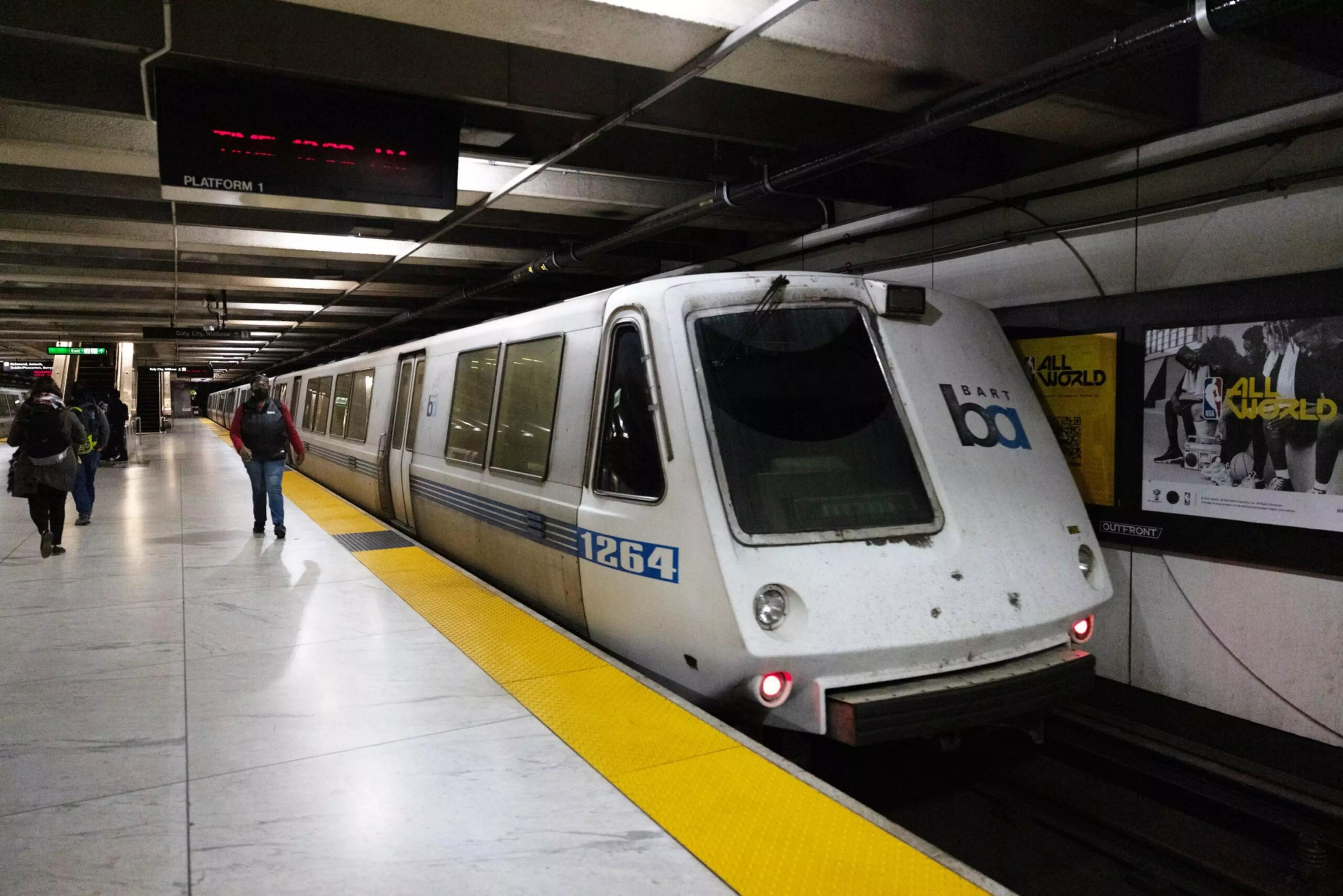
California Senate Bill 79 became effective on July 1, 2026, creating new development standards for qualifying properties near major public transit. In Oakland, the law may affect properties near BART stations and stops along AC Transit's Tempo Bus Rapid Transit line, potentially allowing substantially more housing density and taller residential development on eligible sites.
For Oakland homeowners, buyers, sellers, and investors, however, the important word is eligible. A property located near BART or Tempo does not automatically receive the maximum development rights allowed by SB 79. Oakland has adopted its own S-8 Combining District, temporary exclusions apply to many properties, and individual parcels still require detailed review.
This guide explains what Oakland property owners and buyers should investigate before assuming that SB 79 changes what can be built on a particular property.
What Is SB 79?
SB 79, formally known as the Abundant and Affordable Homes Near Transit Act, establishes statewide development standards intended to encourage additional multifamily housing near major public transportation.
According to the City of Oakland, SB 79 can allow increased residential density, taller buildings, and greater floor area ratios, commonly called FAR, on qualifying properties near designated transit stops.
In Oakland, qualifying transit areas are divided into two major categories:
- Tier 1: BART stations.
- Tier 2: Bus Rapid Transit stops along AC Transit's Tempo line.
The affected geography generally extends as far as one-half mile from qualifying transit stops, but the development standards become more intensive as a property gets closer to the transit station.
How Much Density Could SB 79 Allow in Oakland?
The City of Oakland currently lists the following SB 79 development standards for qualifying projects:
| Transit Area | Maximum Height | Maximum Density | Floor Area Ratio |
|---|---|---|---|
| Tier 1 BART — within 200 feet | 95 feet | 160 dwelling units per acre | 4.5 FAR |
| Tier 1 BART — within 1/4 mile | 75 feet | 120 dwelling units per acre | 3.5 FAR |
| Tier 1 BART — within 1/2 mile | 65 feet | 100 dwelling units per acre | 3.0 FAR |
| Tier 2 Tempo — within 200 feet | 85 feet | 140 dwelling units per acre | 4.0 FAR |
| Tier 2 Tempo — within 1/4 mile | 65 feet | 100 dwelling units per acre | 3.0 FAR |
| Tier 2 Tempo — within 1/2 mile | 55 feet | 80 dwelling units per acre | 2.5 FAR |
These are not blanket new zoning limits for every property within those distances. They are standards that a qualifying SB 79 housing project may potentially use if the property and project satisfy the state and Oakland eligibility requirements.
Which Parts of Oakland Could Be Most Affected?
SB 79 potentially reaches a significant portion of Oakland because the city contains multiple BART stations and the Tempo BRT corridor extends along International Boulevard between East Oakland and Downtown Oakland.
BART-related areas include properties around stations such as Rockridge, MacArthur, 19th Street Oakland, 12th Street/Oakland City Center, West Oakland, Lake Merritt, Fruitvale, and Coliseum. Portions of Oakland are also within one-half mile of the Ashby BART station in Berkeley.
For buyers considering neighborhoods near Rockridge BART, see the Rockridge Oakland real estate guide. Buyers looking around Fruitvale can also review Fruitvale homes for sale, while properties around the western BART corridor can be compared through the West Oakland real estate guide.
The Tempo corridor creates another substantial area of potential SB 79 influence. Tempo runs through Downtown and along International Boulevard into East Oakland, meaning properties that are not particularly close to a BART station can still fall within an SB 79 transit-oriented development area.
Oakland's S-8 Combining District Changes the Picture
Oakland did not simply allow the default SB 79 standards to apply uniformly across every transit-adjacent property.
The Oakland City Council adopted the S-8 Abundant and Affordable Homes Near Transit Combining District. The overlay identifies properties that may qualify for SB 79 and properties that are excluded or otherwise ineligible.
The City's interactive S-8 map currently divides parcels into three basic categories:
- Covered: parcels that may potentially use SB 79 development standards.
- Excluded: parcels temporarily excluded from SB 79 standards.
- Ineligible: parcels that do not qualify for SB 79.
Even a parcel shown as covered is not automatically approved for an SB 79 project. Oakland specifically warns that the map does not determine whether conditions such as rent-controlled housing, deed-restricted housing, previous demolition, or other restrictions apply.
Why Are Some Oakland Properties Temporarily Excluded?
State law allows cities to temporarily exclude certain properties while they develop a more locally tailored transit-oriented development plan. Oakland has used that authority for several categories of property.
Properties With Significant Existing Housing Capacity
Some parcels can be temporarily excluded where Oakland's existing zoning already allows at least 50 percent of the residential capacity that SB 79 would otherwise require.
Properties in Certain Low-Resource Areas
Oakland may also temporarily exclude qualifying areas identified by the state as low-resource areas when existing zoning already provides at least 40 percent of the residential capacity required by SB 79.
Historic Resources
Locally designated historic resources can also qualify for temporary exclusion.
Oakland says these temporary exclusions can remain in place until the City adopts a qualifying Local TOD Alternative Plan or until the next Housing Element update is completed in 2031.
What SB 79 Does Not Guarantee
SB 79 is significant, but homeowners should be careful not to interpret it as an automatic right to construct a large apartment building simply because a property is near transit.
SB 79 does not guarantee that every property within one-half mile of BART or Tempo is eligible. Oakland's S-8 zoning overlay includes covered, excluded, and ineligible parcels.
SB 79 does not guarantee project approval. Oakland requires an eligibility review and planning entitlement process. Depending on the project, additional application materials, environmental review, subdivision review, or other approvals may be required.
SB 79 does not override every existing housing protection. The City notes that projects involving demolition of certain rent-controlled or price-controlled housing can be ineligible.
SB 79 does not mean the maximum height or density will necessarily be economically or physically practical. Lot dimensions, existing improvements, construction costs, access, utilities, financing, design requirements, and other development constraints can materially affect what a developer would actually pursue.
SB 79 does not establish the value of a property. Development potential can influence land value, but proximity to transit, current zoning, parcel configuration, existing rental income, tenant protections, neighborhood demand, construction feasibility, and the likelihood of redevelopment all matter.
What Oakland Homeowners Should Investigate
If you own a property near BART or the Tempo corridor, the first question is not simply, "Am I within half a mile?" The better question is, "How does Oakland currently classify my exact parcel?"
Homeowners should investigate:
- Whether the parcel appears as covered, excluded, or ineligible on Oakland's current S-8 eligibility map.
- The exact distance from the qualifying BART or Tempo stop.
- The property's existing Oakland zoning.
- Whether the property contains rent-controlled or price-controlled housing.
- Whether the site contains a locally designated historic resource.
- Lot size, frontage, access, slope, and existing improvements.
- Whether redevelopment would require demolition or relocation of existing residents.
- Whether the property's potential development value has changed enough to affect long-term ownership or sale strategy.
What Oakland Buyers Should Investigate
SB 79 adds another layer of due diligence for buyers purchasing homes, duplexes, apartment buildings, mixed-use buildings, or development sites near transit.
A buyer purchasing a single-family home near BART, for example, may want to know not only what can be built on the subject property but also what could eventually be built on surrounding parcels.
That can matter for future neighborhood density, construction activity, views, privacy, parking patterns, commercial activity, and long-term land values.
Investors should be particularly careful about assuming that a parcel marketed as an "SB 79 development opportunity" actually qualifies. The City states that even parcels identified as covered require additional review before a project can qualify.
What Oakland Sellers Should Consider
For some sellers, SB 79 could make a property's underlying land potential more important than it was previously.
A conventional home buyer may value a property based largely on the existing house. An investor or developer may analyze the same parcel based on potential unit count, allowable floor area, lot dimensions, demolition restrictions, rental protections, and the likelihood of assembling adjoining parcels.
That does not mean every transit-adjacent Oakland property suddenly has development value. It does mean sellers near qualifying transit should investigate the issue before establishing a pricing and marketing strategy.
Owners considering a sale can begin with the main Oakland real estate and homes for sale guide and then evaluate the specific zoning, parcel characteristics, comparable sales, and potential buyer pool for their property.
Oakland's SB 79 Rules Are Still Evolving
Another important consideration is that Oakland's implementation is not completely static.
The City currently states that Oakland Municipal Code Section 17.86.050 is being amended in response to comments from the California Department of Housing and Community Development. Oakland also notes a clerical correction affecting the Tempo 20th Avenue TOD area.
For that reason, homeowners and buyers should use the City's current interactive eligibility map rather than relying solely on an older planning map, news article, real estate listing, or general description of SB 79.
How to Check an Oakland Property
The City of Oakland provides an interactive SB 79 / S-8 eligibility map where users can search by property address or Assessor's Parcel Number.
View the City of Oakland's official SB 79 information and eligibility resources.
For a property where development potential could materially affect a purchase or sale decision, buyers and owners should also consider consulting Oakland Planning & Building and the appropriate land-use, architectural, engineering, and legal professionals.
Frequently Asked Questions About SB 79 in Oakland
When did SB 79 take effect in Oakland?
SB 79 became effective July 1, 2026. Oakland adopted the S-8 Combining District to identify properties that may use SB 79 development standards as well as properties that are excluded or ineligible.
Does SB 79 apply to properties near Oakland BART stations?
Potentially. Oakland classifies BART stations as Tier 1 transit-oriented development stops. Qualifying residential, commercial, and mixed-use properties within approximately one-half mile may potentially use SB 79 standards, subject to Oakland's exclusions and project-specific eligibility requirements.
Does SB 79 apply along International Boulevard?
Yes, some properties may qualify because AC Transit's Tempo Bus Rapid Transit service is classified as Tier 2 transit for SB 79 purposes. The exact eligibility of an individual property should be confirmed using Oakland's S-8 eligibility map.
Can SB 79 allow taller buildings near Oakland BART?
Yes. For qualifying Tier 1 projects, Oakland lists potential height limits ranging from 65 feet within one-half mile to 95 feet for properties immediately adjacent to qualifying transit. Actual development depends on parcel and project eligibility.
Does being within half a mile of BART automatically make my Oakland property eligible?
No. Oakland has adopted exclusions, and some parcels are ineligible. Even a parcel identified by the City as covered is only potentially eligible and requires additional review before a project can use SB 79 standards.
Could SB 79 affect the value of my Oakland property?
Potentially. Additional development rights can influence land value, particularly for parcels that are realistically suitable for redevelopment. However, zoning is only one part of property value, and feasibility, tenant protections, lot configuration, existing improvements, market demand, and construction economics should also be evaluated.
Buying or Selling an Oakland Property Near Transit?
SB 79 creates an additional issue that Oakland buyers and sellers should understand before making assumptions about a property's current or future use. Two properties on the same street can have very different development potential because of zoning, parcel characteristics, historic status, existing housing, and their precise relationship to a qualifying transit stop.
Bruce Wagg has worked with Oakland buyers and sellers for more than 20 years and can help evaluate how location, neighborhood conditions, comparable sales, and potential land-use changes may affect a real estate decision.
Explore Oakland homes for sale and neighborhood real estate information.
This guide is intended for general real estate information and is not legal, architectural, engineering, or land-use advice. SB 79 eligibility and Oakland zoning regulations can change. Confirm current regulations and parcel-specific eligibility with the City of Oakland before making development or investment decisions.