
By Bruce Wagg | Cupertino Real Estate | Updated September 2026
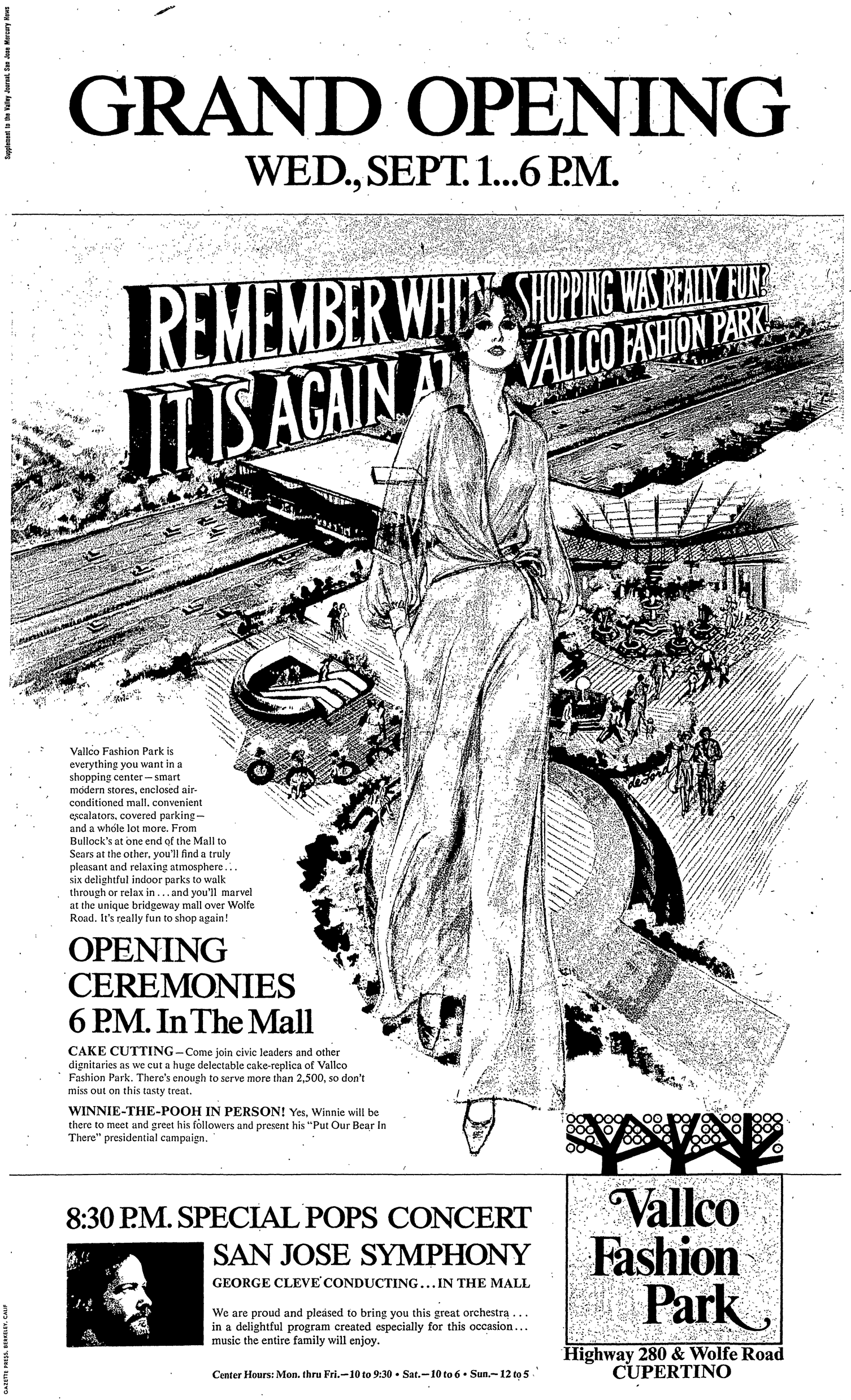
For more than four decades, Vallco Mall in Cupertino was one of the city's most recognizable landmarks. Originally opened in 1976 as Vallco Fashion Park, it grew into a major Silicon Valley shopping destination where generations of residents shopped, watched movies, ate at the food court and met friends. Today, the former Vallco Mall property is being transformed into The Rise at Town Square West, one of the largest redevelopment projects in Cupertino history.
The Vallco Mall redevelopment did not happen through one simple approval. The property went through years of declining retail activity, competing redevelopment proposals, political debate, a 2018 Specific Plan and Development Agreement that were later repealed, and a separate SB 35 project that continued forward and ultimately became The Rise.
This is the history of Vallco Fashion Park, the decline of Vallco Mall, and how one of Silicon Valley's best-known shopping centers became a planned mixed-use district with housing, retail, offices and public open space.
Vallco Mall Redevelopment Timeline at a Glance
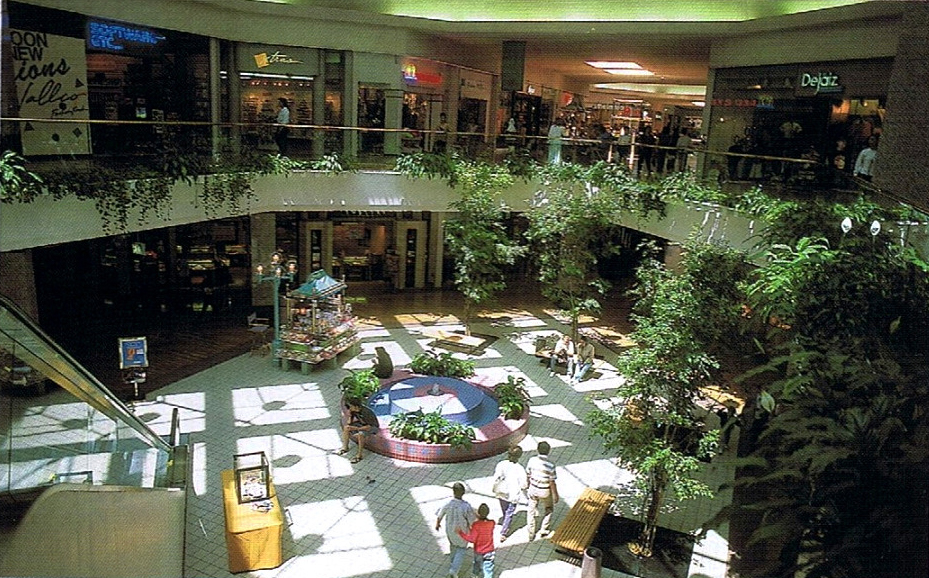
- 1976: Vallco Fashion Park opens in Cupertino.
- 1988: Vallco undergoes a major renovation during the height of the regional-mall era.
- 2000s: The property is repositioned and rebranded as Cupertino Square.
- 2010s: Vacancies and major anchor-store departures accelerate Vallco's decline.
- 2018: Cupertino approves the Vallco Town Center Specific Plan and associated Development Agreement. A separate SB 35 housing project also proceeds through its own approval process.
- 2019: Following successful referendum petitions, the City Council repeals the Vallco Specific Plan and Development Agreement. The separate SB 35 project remains in place.
- 2022: Cupertino approves a major modification to the SB 35 project.
- 2024: Another project modification is approved, and Cupertino and Vallco Property Owner reach a separate settlement concerning development impact fees.
- November 2025: Town Square West is announced as the first major phase of The Rise, and a third major SB 35 modification is submitted.
- February 27, 2026: Cupertino approves the third major modification, retaining 2,669 homes while revising the affordable-housing and office components.
- 2026: Phase 1 subdivision, infrastructure and detailed building plans continue advancing through the City process.
- August 24, 2026: Cupertino approves Modification Application #4 for Blocks 1 and 2, another detailed implementation step for the redevelopment.
For current permitting and construction developments rather than the historical overview, see my The Rise Cupertino LIVE Updates.
1976: Vallco Fashion Park Opens in Cupertino
Vallco Fashion Park opened in 1976 near Wolfe Road and Interstate 280. Cupertino was growing quickly, Silicon Valley was expanding, and the new mall was designed as a regional destination for shopping, dining, entertainment and community activity.
The mall featured major department stores, specialty retailers, restaurants and large parking areas. For many longtime residents, Vallco Fashion Park was never simply a place to buy things. It became part of growing up in Cupertino and the surrounding Santa Clara Valley.
The Golden Years of Vallco Mall
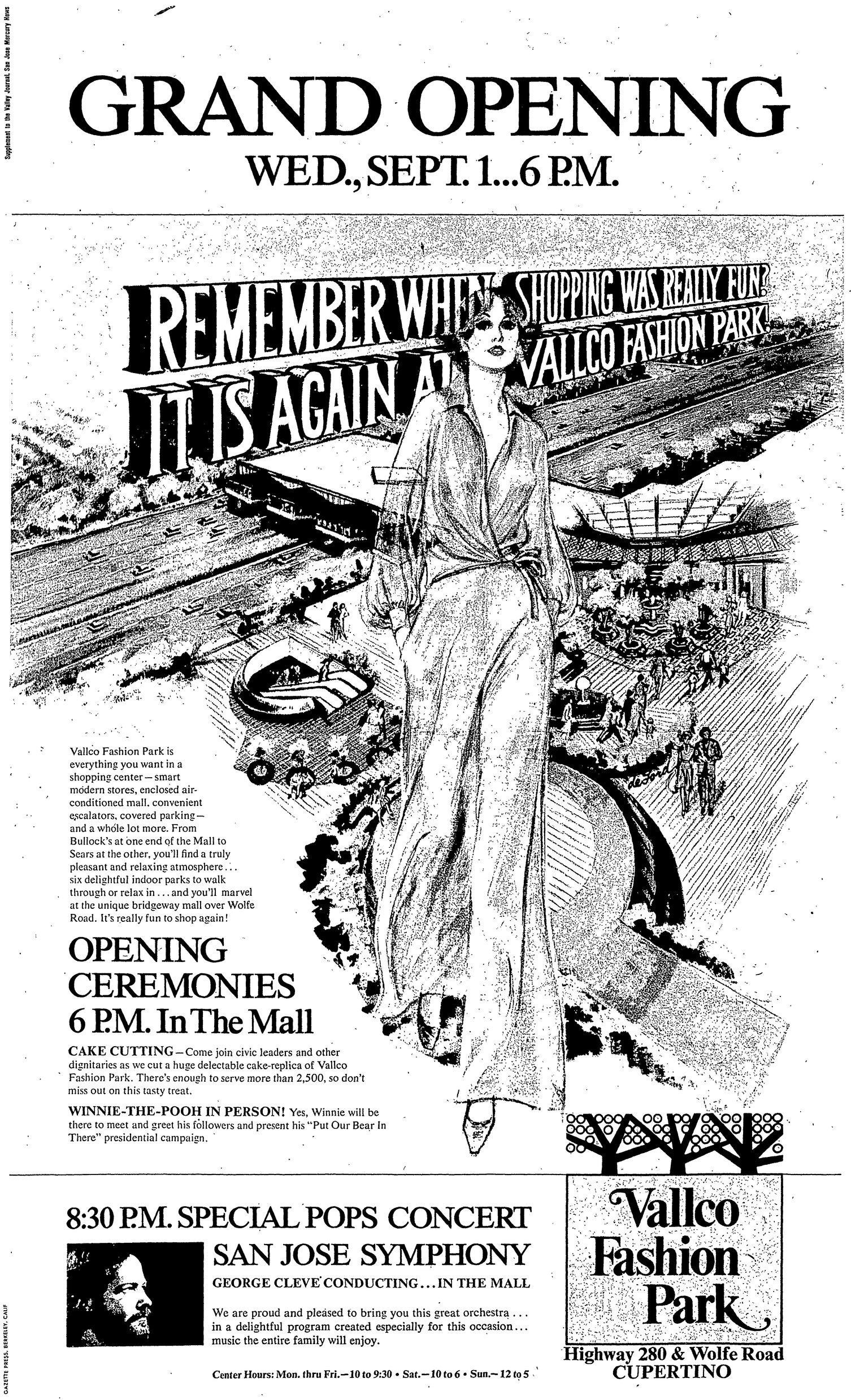
During its strongest years, Vallco was one of Silicon Valley's major enclosed shopping centers. Department stores, specialty retailers, restaurants and entertainment uses filled the property, while the mall's indoor common areas provided the kind of gathering place that defined suburban mall culture during the late 1970s, 1980s and 1990s.
Vallco underwent a major renovation in 1988, a period when regional malls were still central to suburban life. Residents bought school clothes there, went holiday shopping, met for lunch, spent weekends with friends and used the mall as an indoor gathering place.
The architecture itself became familiar: long interior corridors, escalators, skylights, plants, upper and lower walkways and the enclosed bridge crossing Wolfe Road.
The Wolfe Road Skybridge
One of Vallco Mall's most recognizable features was the enclosed pedestrian skybridge over Wolfe Road. It connected portions of the shopping center on opposite sides of the roadway and became an unmistakable landmark for drivers traveling through central Cupertino.
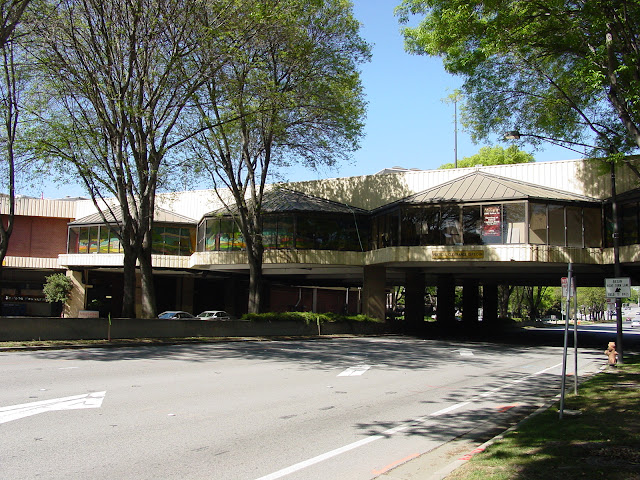
As the mall declined, the skybridge also became a visual symbol of the aging property. Its eventual demolition was one of the clearest physical signs that the old Vallco era was ending.
Why Did Vallco Mall Decline?
There was no single reason Vallco Mall declined. The property faced a combination of changing consumer behavior, stronger regional competition, the growth of online shopping, weakening traditional department stores and years of uncertainty about the site's future.
Shopping destinations also changed. Consumers increasingly gravitated toward newer open-air centers, mixed-use districts and experiential retail rather than older enclosed malls. Vallco still had loyal visitors, but the momentum that defined its early decades slowly weakened.
The Cupertino Square Era
During the 2000s, Vallco was rebranded as Cupertino Square as owners attempted to reposition the property. New theater, restaurant and entertainment concepts kept portions of the center active, but the new name never completely replaced Vallco in local vocabulary.
Longtime residents continued to call it Vallco, and the property remained closely associated with Vallco Fashion Park even as owners tried different strategies to revive it.
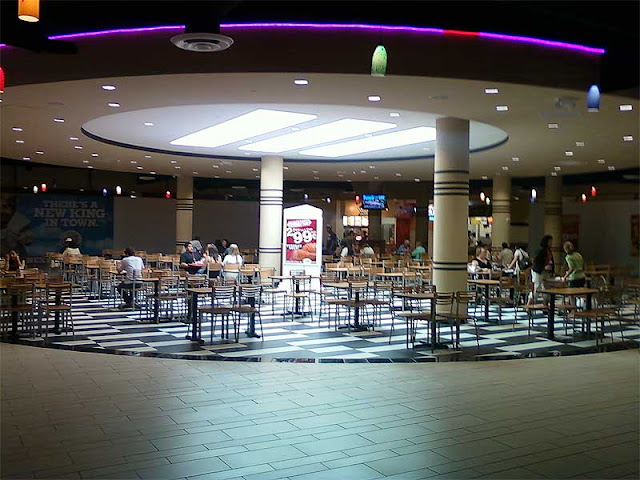
By the 2010s, Vallco Was Increasingly Empty
As storefronts closed and anchor tenants departed, large portions of Vallco became increasingly quiet. Areas that had once been crowded with shoppers contained dark storefronts and lightly used corridors, while parking structures built for a busy regional mall often sat largely empty.
For people who grew up visiting Vallco, the contrast was striking. A place that once felt crowded and energetic had become quiet, partially vacant and uncertain.
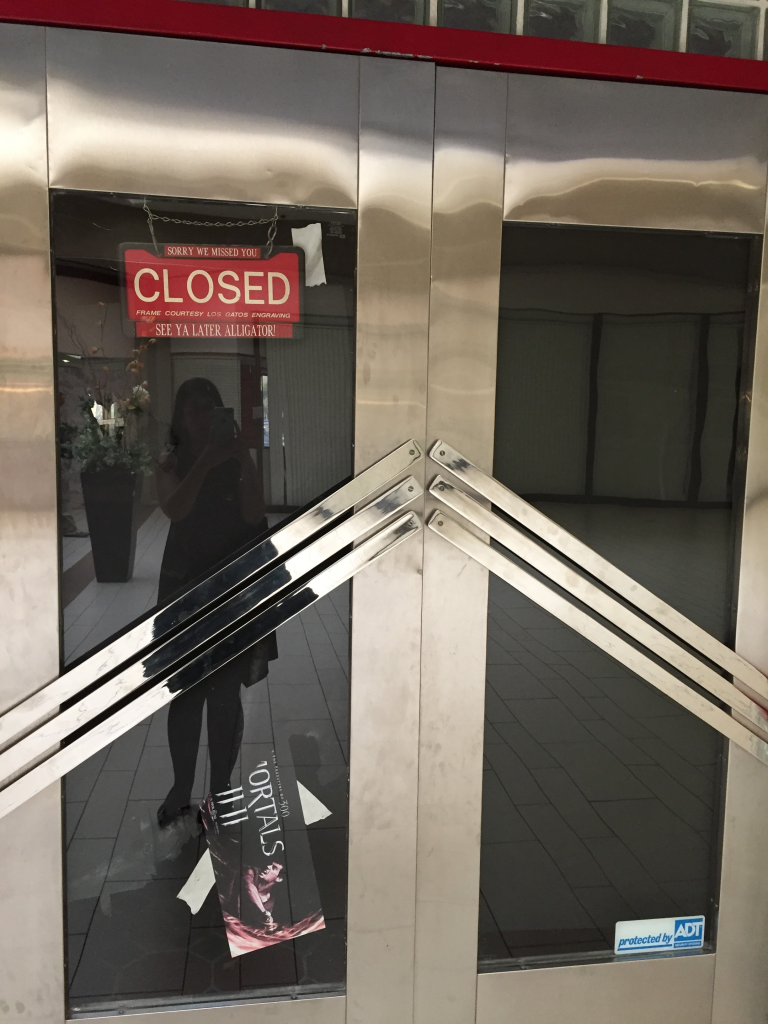
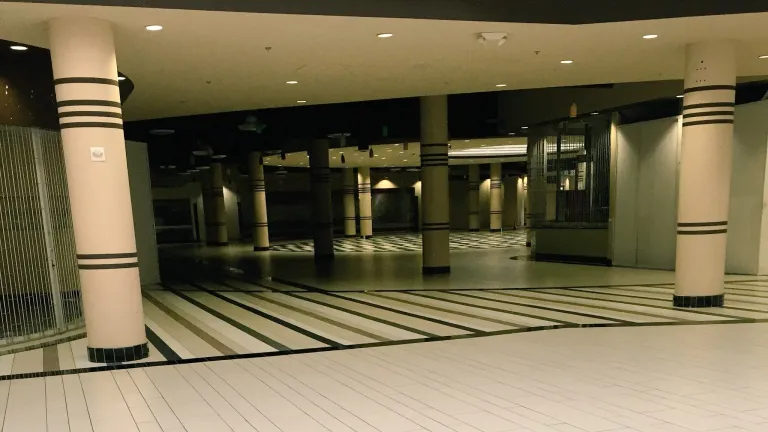
At the same time, the land beneath the mall had become extraordinarily important. Cupertino was now at the center of Silicon Valley's technology economy, Apple Park was transforming the area nearby, housing costs were rising, and the roughly 50-acre Vallco property represented one of the city's largest redevelopment opportunities.
The Empty Parking Structures
The surrounding parking areas and garages also told the story of Vallco's decline. Spaces that had once supported busy shopping seasons became increasingly empty as retail activity faded.
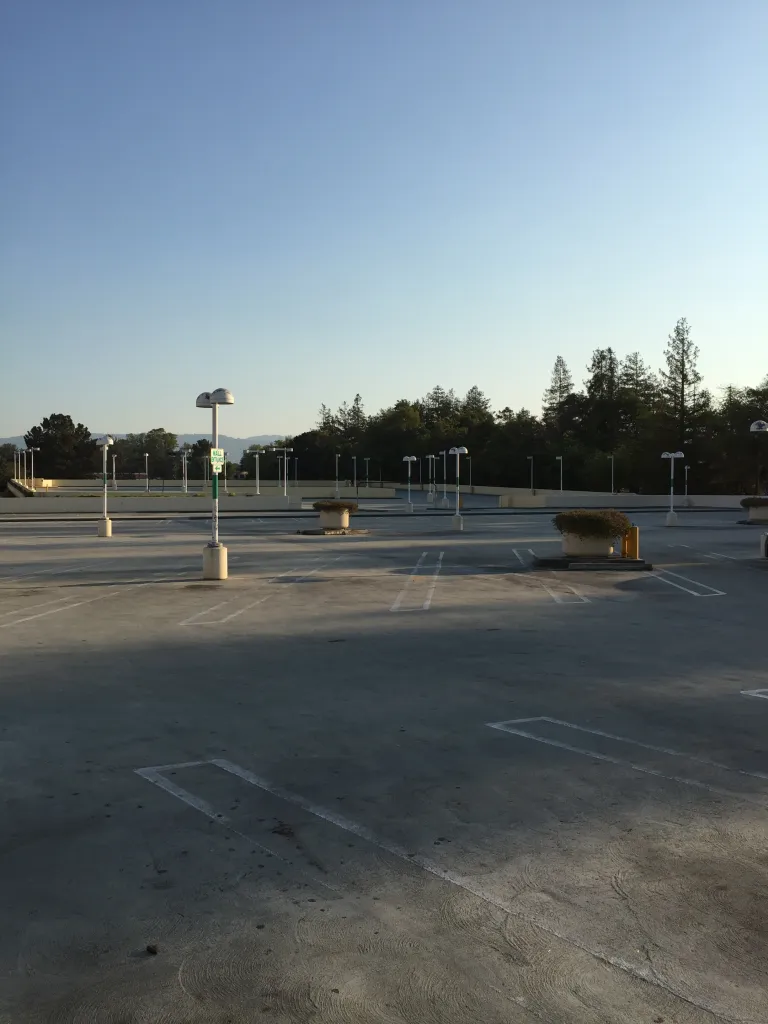
Vallco was no longer simply a struggling shopping mall. It had become a major land-use question for Cupertino.
From Vallco Mall to Years of Redevelopment Debate
Few development sites in Cupertino have generated as much public debate as Vallco. Residents, elected officials, property owners, housing advocates and neighborhood groups disagreed over what should replace the aging mall and how large the redevelopment should be.
Proposals over the years included different combinations of retail, housing, offices, entertainment and public open space. The debate increasingly reflected larger questions facing Cupertino and Silicon Valley: how much housing should be built, how much office development was appropriate, what infrastructure would be required, how traffic would be affected and how a city should redevelop a large suburban shopping center.
2018: Two Different Vallco Approval Paths
One of the most confusing parts of Vallco's history is that two different development paths were active around the same time.
In September 2018, the Cupertino City Council approved the Vallco Town Center Specific Plan and an associated Development Agreement. Those were legislative approvals connected to one redevelopment approach.
Separately, an SB 35 housing proposal proceeded through California's streamlined housing approval process.
Following successful referendum petitions, the Cupertino City Council repealed the Vallco Town Center Specific Plan and associated Development Agreement in 2019. That repeal did not eliminate the separately approved SB 35 project.
This distinction continues to cause confusion today. There was not a new Vallco Development Agreement approved in 2025. The formal agreement belonged to the 2018 Specific Plan process and was repealed in 2019.
For the complete explanation, read Vallco Development Agreement Approval in Cupertino: What Actually Happened?.
Demolition Changes the Vallco Mall Site
Demolition eventually removed most of the old shopping-center structures west of Wolfe Road. The disappearance of the mall, parking structures and familiar physical features changed the property from an aging retail complex into an active redevelopment site.
That physical transition was important. For years, Vallco's future had largely been discussed through planning documents, renderings, hearings and competing proposals. Demolition made clear that the old mall itself was not coming back.
Vallco Becomes The Rise Cupertino
The SB 35 redevelopment that survived the earlier political and legal battles evolved into what is now known as The Rise Cupertino.
The Rise is planned as a mixed-use district rather than a replacement shopping mall. Under the current approved project, the complete redevelopment retains approximately 2,669 homes, along with office space, retail uses and public open space.
Instead of one enclosed shopping center surrounded by large parking areas, the project is being organized around multiple buildings, streets, walkways, housing, shops and public spaces.

For the complete current project overview, housing breakdown and buyer information, see my The Rise Cupertino at Town Square West guide.
Town Square West: The First Major Phase
Town Square West is planned as the first major phase of The Rise and includes 1,369 homes. The current residential program includes 393 planned for-sale homes, 744 market-rate rental homes and 232 affordable family rental homes.
The phase is also planned to include retail, dining, entertainment and more than three acres of parks and public open space.
Town Square West is important because it begins translating the much larger Vallco redevelopment plan into individual residential buildings, streets, infrastructure and public spaces. It is also where future buyers are likely to see the first significant ownership opportunities associated with The Rise.
What Changed at The Rise in 2025 and 2026?
The redevelopment continued to evolve after the original SB 35 approval.
On November 26, 2025, a third major SB 35 modification was submitted to Cupertino. The City approved that modification on February 27, 2026. The overall project remained at 2,669 homes, but the affordable-housing component was revised to 356 homes and office space was reduced to approximately 1.475 million square feet.
During 2026, the project moved further into detailed implementation. Phase 1 Final Map and subdivision matters advanced through the City process during the summer.
On August 24, 2026, Cupertino approved Modification Application #4 for Blocks 1 and 2. The changes focused primarily on parking, garage access, loading and other building refinements. The residential counts for those two buildings remained unchanged at 235 homes in Block 1 and 258 homes in Block 2.
These approvals should not be confused with a public sales launch. Pricing, ownership floor plans, HOA dues, deposits and reservation procedures for the planned for-sale homes have not yet been publicly announced.
For the newest permit and construction information, see The Rise Cupertino LIVE Updates.
What Happened to the Original Vallco Mall?
Most of the former Vallco Mall was demolished as the property moved toward redevelopment. The old enclosed shopping-center model has been replaced by plans for a mixed-use district combining housing, retail, offices and public open space.
For people who remember Vallco Fashion Park, the contrast is enormous. A site built around department stores and automobile-oriented regional shopping is being redesigned around a combination of residential buildings, streets, pedestrian connections, parks, restaurants, shops and employment space.
Why the Vallco Mall Redevelopment Matters for Cupertino Real Estate
The redevelopment matters to Cupertino real estate because of its scale and location. Few properties in Cupertino can add thousands of homes, substantial retail space, new public areas and pedestrian infrastructure in one project.
The Rise could affect how buyers evaluate central Cupertino, particularly properties around Stevens Creek Boulevard, Wolfe Road, Main Street Cupertino, City Center and Apple Park.
Additional housing supply could create new choices for buyers and renters, while successful retail, restaurant, park and walkability components could make the surrounding area more attractive. The ultimate effect on property values will depend on what is actually built, when it is delivered and how the completed district functions.
Buyers looking near the former Vallco site are often also comparing nearby areas such as City Center Cupertino, Cupertino homes for sale and properties near Apple Park and Main Street.

What Longtime Cupertino Residents Remember About Vallco
For longtime residents, Vallco's history is more personal than a planning timeline. People remember first jobs, shopping with their parents, movies, restaurants, the food court, meeting friends and simply wandering through the mall.
That nostalgia helps explain why Vallco redevelopment discussions have remained emotional even years after the mall ceased functioning as a successful shopping center.
The Rise will create a very different kind of place. Future residents may eventually know the property primarily for homes, parks, restaurants and public spaces rather than department stores and enclosed shopping corridors.
Frequently Asked Questions About Vallco Mall and The Rise
What was Vallco Mall in Cupertino?
Vallco Mall was a regional shopping center in Cupertino, California, originally known as Vallco Fashion Park. It opened in 1976 and for decades served as one of Silicon Valley's major enclosed malls.
Was Vallco Mall also called Vallco Fashion Park?
Yes. Vallco Fashion Park was the property's original name. The mall was later known as Vallco Shopping Mall and was rebranded as Cupertino Square during the 2000s, although many local residents continued to call it Vallco.
Why did Vallco Mall close?
Vallco declined over many years as shopping habits changed, regional competition increased, online retail expanded and major department-store anchors closed. Redevelopment uncertainty also surrounded the property for years before most of the old mall was demolished.
What is being built at the former Vallco Mall?
The former Vallco Mall site is being redeveloped as The Rise Cupertino, a large mixed-use project planned for approximately 2,669 homes along with office space, retail and public open space.
What is Town Square West?
Town Square West is the first major phase of The Rise. It is planned for 1,369 homes, including 393 for-sale homes, 744 market-rate rental homes and 232 affordable family rental homes, along with retail and public open space.
Did Cupertino approve a Vallco Development Agreement in 2025?
No. Cupertino approved a Vallco Development Agreement in 2018 as part of the Vallco Town Center Specific Plan process. Following successful referendum petitions, the City Council repealed the Specific Plan and Development Agreement in 2019. A separate SB 35 project remained in place and later evolved into The Rise. The major 2025 action was a modification application for that SB 35 project, not a new Development Agreement.
How many homes are planned at The Rise Cupertino?
The complete current project is approved for approximately 2,669 homes. Town Square West, the first major phase, accounts for 1,369 of those planned homes.
Can I buy a home at The Rise now?
No public sales release has been announced for the 393 planned for-sale homes at Town Square West. Pricing, floor plans, HOA information, deposits and public reservation procedures have not yet been announced.
Related Cupertino Resources
- Vallco Development Agreement Approval in Cupertino: What Actually Happened?
- The Rise and Town Square West
- The Rise LIVE Updates
- Homes for Sale Near The Rise
- 95014 Real Estate & Development Guide
- Cupertino Real Estate
The Next Chapter of the Vallco Mall Site
The history of Vallco Mall is ultimately part of the history of Cupertino itself. Vallco Fashion Park opened during an era when suburban growth and regional shopping malls were reshaping the Santa Clara Valley. Decades later, the same property is being redeveloped in response to a very different Silicon Valley shaped by housing demand, high land values, major technology employers and a shift toward mixed-use development.
The Rise will be a very different place from Vallco Mall. Future residents may eventually know the property primarily for homes, parks, restaurants and public spaces rather than department stores and enclosed shopping corridors.
For the latest confirmed permitting, construction and housing developments, follow my The Rise Cupertino LIVE Updates.
If you're considering buying or selling a home near The Rise, City Center, Apple Park or anywhere in Cupertino, I can help you understand current market conditions and how major development may affect the surrounding real estate market.
Bruce Wagg
Keller Williams Elevate
DRE #01760054
Call or text: (669) 202-7777
Posted by Bruce Wagg on
Enjoy this blog post? Click here to subscribe for updates
Leave A Comment